
Understanding Petitions and Their Impact
Petitions are powerful tools enabling citizens to voice concerns and influence government actions. Rooted in democratic ideals, they serve as formal requests to authorities for policy changes, highlighting community interests. Effective petitions can lead to significant societal changes, emphasizing the importance of collective action in addressing public issues and advocating for rights or reforms.
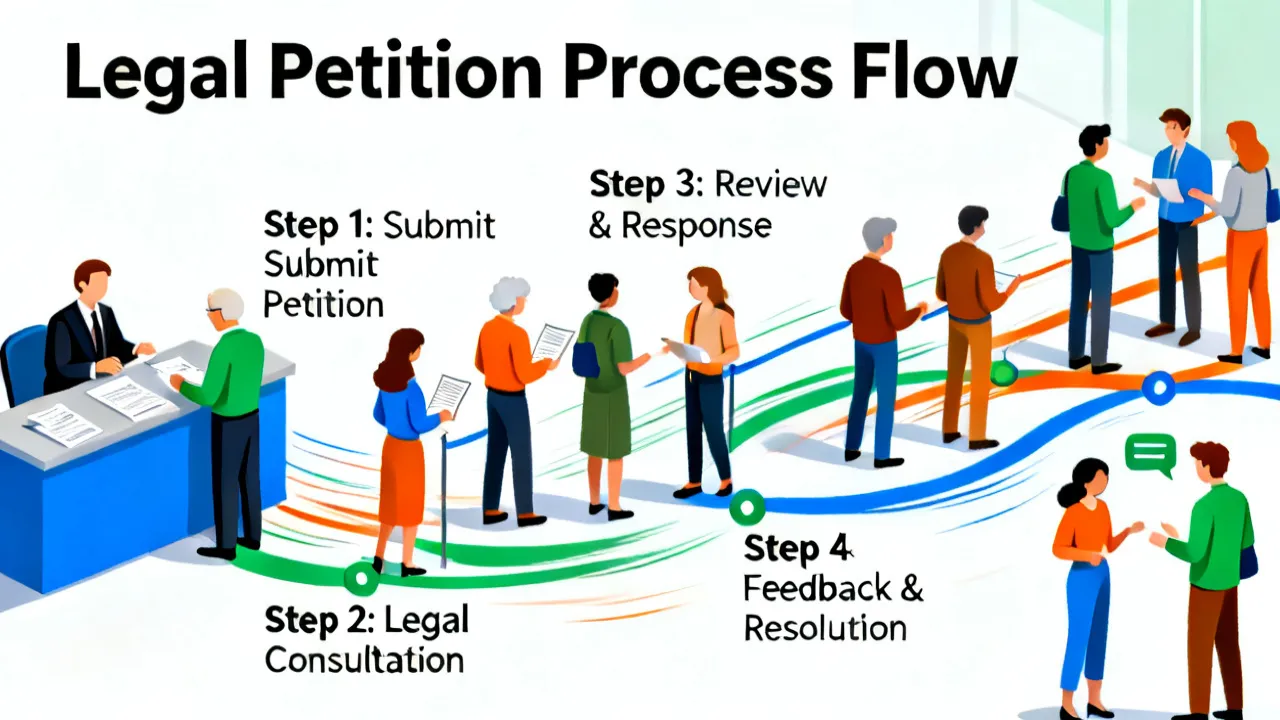
The Role and Importance of Petitions in Society
In a democratic society, petitions serve as a vehicle for citizens to formally express their concerns and requests to the government or a public figure. Their importance lies in their ability to facilitate dialogue between the public and policymakers, making them a cornerstone of participatory democracy. The act of petitioning represents a fundamental right of citizens to engage with their government, ensuring that their voices are heard and considered in the decision-making processes that affect their lives. The collective power of petitions can mobilize social change and influence legislative action, illustrating how civic engagement plays a crucial role in governance.
Historical Background of Petitions
The concept of petitions dates back to ancient civilizations, where they were used as a method for subjects to direct grievances to their leaders. In Ancient Egypt, for instance, citizens could present written petitions to pharaohs to address injustices or seek favors. Similarly, in Ancient Rome, the practice of formally appealing to the Senate or leaders for legislative changes reflected early democratic principles. Over centuries, the practice of petitioning evolved alongside governmental structures, becoming an entrenched aspect of democratic governance.
The emergence of constitutional monarchies in Europe saw petitions gain formal recognition, with citizens using them to voice their concerns and demands regarding governance. Notably, the Petition of Right in 1628 marked a significant step in limiting the powers of the monarchy in England and establishing citizens’ rights. Such historical milestones laid the groundwork for the broader acceptance of petitions as a legitimate tool for advocacy and reform within democratic contexts. As democracy spread globally, the role of petitions adapted to various cultural and political landscapes, but the core purpose remained the same: to foster communication between the people and their leaders.
Types of Petitions
Petitions can be broadly classified into several types, each serving distinct purposes and audiences:
- Public Petitions: Addressed to government bodies and typically aimed at proposing new legislation or policy amendments. These petitions often address urgent social issues, such as climate change, health care reforms, and civil rights, encouraging lawmakers to take action on behalf of their constituents.
- Private Petitions: Focus on individual grievances and are directed at resolving specific issues without broader legislative changes. For example, citizens may submit private petitions to local councils requesting specific zoning changes or addressing local ordinances.
- Online Petitions: Growing substantially in the digital age, they leverage platforms to gather widespread support swiftly. Websites like Change.org and Care2 allow individuals to start petitions that can go viral, attracting attention from both local and global audiences. The digital nature of these petitions often facilitates quicker responses from decision-makers and encourages collective action across geographical boundaries.
- Petitions for Referendums: Some petitions aim to gather support for a referendum, allowing citizens to vote directly on specific policy issues. This type of petition often requires meeting stringent criteria to qualify for ballot placement, thereby engaging citizens in the legislative process significantly.
- Petitions for Recall Elections: In certain jurisdictions, voters can initiate petitions to recall elected officials before their term ends, often due to perceived misconduct, failure to uphold campaign promises, or loss of public trust. Such petitions serve as an essential mechanism for holding representatives accountable to their constituents.
The Legal Standing and Procedure
The effectiveness of a petition often hinges on its legal standing and adherence to procedural requirements. In various jurisdictions, a petition must clearly articulate the issue, propose a solution, and collect a requisite number of signatures to be considered by the relevant authorities. Once filed, the petition may undergo a review process to ensure it meets legal standards and procedural guidelines.
| Requirement | Description |
|---|---|
| Signature Threshold | A certain number of signatures may be required for a petition to be formally reviewed, which can vary by jurisdiction. Understanding these requirements is crucial for organizers to ensure their petitions are taken seriously. |
| Clear Articulation | Petitions must clearly outline the issue and propose specific actions or solutions. This clarity helps lawmakers understand the demand and increases the likelihood of a thoughtful response. |
| Jurisdictional Adherence | Petitions must adhere to the specific legal framework of the jurisdiction in which they are filed. Familiarity with local laws can significantly enhance a petition's chances of success. |
| Public Awareness and Support | Merely filing a petition is often not enough; public support is crucial. Effective outreach strategies, including social media campaigns, community organizing, and coalition-building, are integral to elevating the petition’s visibility and encouraging more signatures. |
The Power of Collective Action
Petitions exemplify collective action, wherein the power of citizen engagement can lead to tangible changes. By uniting individuals under a common cause, petitions harness collective voices to demand attention and action from authorities. The act of signing a petition symbolizes solidarity among individuals who may otherwise feel isolated in their concerns, reinforcing the idea that when united, citizens can effect meaningful change. History is replete with examples where collective advocacy has redefined the political landscape, from movements advocating for civil rights to campaigns for environmental protection.
Many successful petitions harness the narrative power of storytelling to connect with potential supporters, transforming abstract issues into relatable experiences. By personalizing the concerns addressed in a petition, advocates can evoke empathy and a sense of urgency, motivating others to join the movement and lend their voices. Through social proof, successful petitions can create a ripple effect, encouraging even more people to express their support and join the cause.
Impact of Petitions
Not all petitions result in immediate change; however, they play a crucial role in raising awareness and initiating dialogue. Successful petitions often lead to policy reviews, legislative changes, and sometimes spark wider social movements. The ability of a petition to shape public discourse and highlight overlooked issues is a critical aspect of its impact. For instance, the #MeToo movement, which gained traction through online petitions and social media activism, influenced legislation regarding sexual harassment and gender equality, showcasing how grassroots efforts can lead to systemic change.
Additionally, the ripple effects of petitions can lead to increased voter engagement and stimulate civic action in broader contexts. Petitions often serve as catalysts for community organizing, as they can help build networks of support among citizens who share similar concerns. These networks can foster relationships that extend beyond a single issue, encouraging ongoing dialogue and collaboration on various civic matters.
Case Studies: Notable Petitions
Examining past petitions can provide insights into their effectiveness and the diverse issues they have addressed. Notable examples include:
- The Petition for Women's Suffrage: In the early 20th century, women across the United States organized petitions demanding the right to vote, culminating in the passage of the 19th Amendment in 1920. The movement's success illustrated the significance of collective advocacy in overcoming systemic inequalities and influencing legislative action.
- The Save the Redwoods League Petition: In the 1920s, conservationists launched a petition demanding the protection of California's redwood forests. The widespread support gathered through petitions led to the establishment of the first state parks, ensuring the preservation of these vital ecosystems for future generations.
- The LGBTQ+ Rights Movement: Petitions advocating for marriage equality and anti-discrimination laws have played a pivotal role in advancing LGBTQ+ rights. The push for marriage equality, in particular, mobilized large-scale petition campaigns that contributed to the landmark Supreme Court decision in Obergefell v. Hodges in 2015, affirming same-sex marriage as a constitutional right.
- Abolition of the Death Penalty: Petitions calling for the abolition of the death penalty have emerged in various countries where human rights organizations advocate for justice reform. These campaigns have garnered significant support, leading to legislative changes in several jurisdictions and sparking a broader dialogue on criminal justice reform.
The Future of Petitions in a Digital Age
As technology continues to evolve, the landscape of petitions is undergoing significant transformation. The rise of social media platforms and online petition websites has democratized the process, allowing anyone with internet access to mobilize support for their cause. This ease of access has empowered disenfranchised communities and marginalized voices to engage in advocacy and civic participation.
Digital petitions can spread rapidly, often garnering thousands or even millions of signatures in a short period. However, this raises questions about the authenticity and commitment of signatories, as the barriers to signing are minimal. Additionally, the sheer volume of online petitions can lead to "petition fatigue," where potential supporters become overwhelmed and disengaged from causes due to the constant barrage of requests for their signatures.
To combat these challenges, petition creators must cultivate strategies that engage supporters meaningfully, encouraging them to take additional actions beyond signing their names. Mobilization can involve sharing the petition with friends, participating in local advocacy events, or contacting their elected officials directly. By creating a sense of community and collective ownership over the cause, organizers can sustain momentum for their initiatives, ensuring that petitions remain impactful in the digital era.
Challenges Faced by Petitions
Despite their potential, petitions also encounter significant challenges that can hinder their effectiveness. One major issue is the lack of response from policymakers, who may dismiss petitions as mere noise among the numerous concerns they face. This can lead to frustration among citizens who have invested time and effort into advocating for their causes.
Another challenge is the influence of money and established interests in the political sphere. While grassroots petitions aim to represent the voice of the people, lobbying by well-funded organizations can overshadow these efforts, affecting the likelihood that policymakers will prioritize the issues raised in citizen petitions. Moreover, in some cases, vested interests may undermine petitions by discrediting their purpose or the legitimacy of their supporters.
Finally, legal challenges can obstruct the petition process, particularly when jurisdictions impose stringent requirements that make initiating or submitting petitions difficult. Advocates must navigate these hurdles and work within the established legal frameworks to ensure their petitions reach decision-makers effectively.
Frequently Asked Questions (FAQs)
- What is the primary function of a petition? A petition's primary function is to formally request action or change from authorities or public figures. Petitions allow citizens to articulate their needs and concerns directly to those in power, promoting accountability and responsiveness in governance.
- How do online petitions differ from traditional ones? Online petitions leverage digital platforms for wider reach and faster dissemination. Unlike traditional paper petitions, which may require physical signatures, online petitions can gather massive support quickly and efficiently. The potential for viral sharing enhances their visibility.
- What makes a petition successful? Clarity in purpose, strategic timing, and garnering sufficient support are key factors in petition success. Providing a compelling narrative that resonates with potential signatories often leads to greater engagement. Additionally, establishing relationships with media outlets can amplify the petition's reach and impact.
- How can I create an effective petition? Start by identifying a clear issue, developing a compelling narrative, and outlining specific proposed actions. Utilize social media and community outreach to gain support, and ensure the petition aligns with legal requirements in your jurisdiction. Regular updates and transparent communication with signatories can help maintain their engagement.
- What should I do after collecting signatures? After collecting signatures, submit the petition to the appropriate authorities along with a cover letter that summarizes its purpose and significance. Engage with signatories to keep them informed about any developments regarding the petition and encourage them to continue advocating for the issue.
In conclusion, petitions remain a vital component of civic engagement, empowering citizens to express collective concerns and prompting action from policymakers. The evolution of petitions—from formal grievances in ancient times to contemporary digital campaigns—highlights their enduring relevance in democratic societies. Whether through traditional means or leveraging digital platforms, the essence of petitioning reflects democratic values and the ongoing dialogue between the public and its leaders. As we move further into the digital age, it is crucial for citizens to harness the power of petitions effectively, navigating the challenges posed by modern society while championing the causes that matter most to them.
-
1

Maximizing Benefits of Solar Panels: Costs and Energy Efficiency
-
2
Maximizing Your Purchase: Ram 1500 Deals and Towing Capacity
-
3
Affordable Stair Lifts for Seniors: A Comprehensive Guide
-
4
The Ultimate Guide to Lab-Grown Diamonds: Ethical & Cost-Effective Choices
-
5
The Ultimate Guide to Weight Loss Injections, Metabolism, and Appetite Suppression