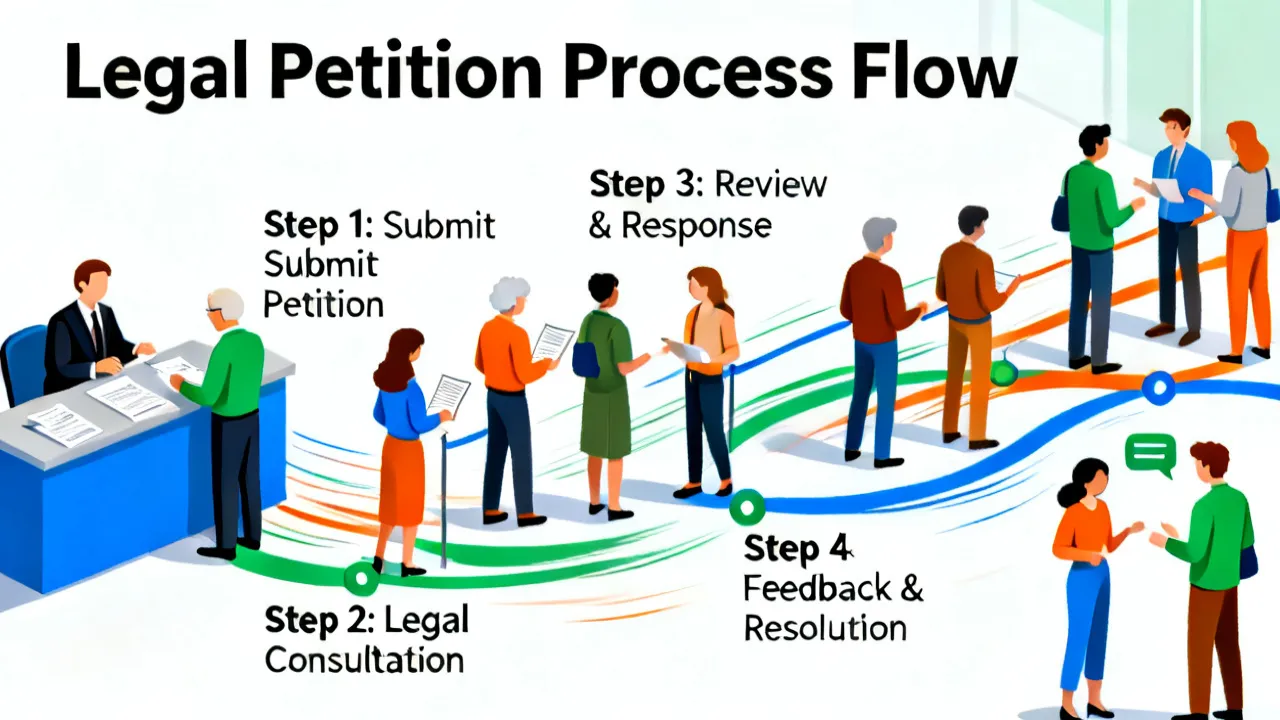
Understanding the Impact of Petitions
This article delves into the influence and significance of petitions in modern society. Petitions are a formal request to authorities, aiming to bring about change or raise awareness on specific issues. Historically, petitions play an essential role in democratic systems by empowering citizens to voice their concerns and influence decision-making processes at various levels of governance.

The Evolution of Petitions in Society
Petitions serve as a crucial tool in democratic systems, providing an avenue for citizens to express their views, influence public policy, and initiate change. Understanding the historical significance of petitions helps us appreciate their role in democracy today. Originally, petitions were manuscripts addressed to monarchies or rulers, seeking redress or enactment of legislation. Over time, with the spread of democratic ideals, petitions have evolved to become a symbol of citizen activism.
In contemporary society, petitions have embraced digital platforms, significantly amplifying their reach and impact. These online petitions, often circulated through social media, allow individuals and organizations to gather support from around the world, transcending geographical and social barriers. This technological shift has democratized the process, making it easier for voices to be heard on international platforms.
As the landscape of activism transforms, it’s critical to examine how petitions have evolved not just in format but in their role within different communities and political systems. Recognizing this evolution provides insights not only into the current state of civic engagement but also into the future potential of petitions in fostering democracy and encouraging direct citizen participation in governance.
The Power of Digital Petitions
The advent of digital petitions has revolutionized grassroots activism. Platforms like Change.org and Avaaz have become household names, allowing everyday citizens to address issues ranging from environmental policies to social justice reforms. Digital petitions offer an unprecedented ability to mobilize large groups quickly, pressuring authorities to act swiftly on public concerns. With mere clicks, individuals can lend their voices and support to causes that resonate with them, making activism more accessible than ever.
This access to activism through digital means has led not only to an increase in the volume of petitions created but also to a diversification of the issues being addressed. From climate change and human rights to local community concerns, online petitions have expanded the arena of advocacy. Historical analysis shows that the rapid rise of digital petitions has mirrored increases in public awareness and concern about various social issues, illustrating how technology can drive civic engagement forward.
Statistics highlight the effectiveness of such platforms. For instance, a study in 2020 by Pew Research indicated that 45% of online petitions resulted in a positive response from the target audience or achieved their intended goal. This highlights the transformative effect of technology on traditional advocacy methods. Moreover, the deployment of multimedia elements—such as videos, images, and infographics—within these petitions can enhance emotional engagement and draw more attention to the causes. Engaging narratives and impactful storytelling can resonate deeply with potential signers, thus amplifying the petitions' effectiveness.
Additionally, the ability to track signatures in real-time and share updates fosters a sense of community among supporters, keeping them engaged and motivated. This collective movement can lead to significant public pressure on decision-makers, potentially resulting in expedited legislative actions, public statements, or policy changes aimed at addressing the issues raised.
Effectiveness of Petitions in Public Policy
While the number of petitions increases, the challenge remains in ensuring their effectiveness. The success often hinges on factors such as the clarity of the petition’s goals, the strategic timing of the submission, and the level of public support. Furthermore, engaging influential stakeholders or aligning the petition with current policy discussions can enhance its impact. In some cases, petitions that complement existing advocacy efforts or campaigns can lead to larger movements, thus maximizing their reach and potential effectiveness.
Experts argue that petitions should not be viewed in a vacuum but rather as part of broader advocacy campaigns. Engaging with media, forming strategic partnerships, and utilizing various channels for outreach can significantly enhance the chances of a successful outcome. Collaborations with well-established organizations can lend credibility and visibility to grassroots efforts, while also providing additional resources and expertise critical in organizing effective campaigns.
Moreover, the political context and public sentiment around the time of the petition can play a significant role in determining its success. The resonance of a petition’s message with the current socio-political climate can lead to broader acceptance and more immediate action. Advocacy groups often stress the importance of timing and relevance in their campaigns, as petitions aligned with trending issues are more likely to gather momentum and support.
Some cases illustrate these dynamics clearly. For example, the climate justice movement has seen a surge in petitioning activity aligned with significant global climate conferences, which highlights how synchronizing with larger international dialogues can elevate the message and urgency of local petitions. Such strategic alignment can amplify voices and help bring about policy resolutions that might otherwise be neglected.
| Type of Petition | Description | Impact |
|---|---|---|
| Online Petitions | Digital platforms collecting signatures. | Broad reach, rapid mobilization. |
| Formal Government Petitions | Official requests submitted to governmental bodies. | May result in policy discussions or votes. |
| Grassroots Petitions | Community-driven efforts addressing local issues. | High local engagement, direct community impact. |
| Global Petitions | International petitions addressing worldwide concerns. | Raises global awareness, engages international communities. |
| Corporate Petitions | Petitions directed at private sector companies. | Can influence corporate policies, ethical practices. |
| Educational Petitions | Targeting educational institutions for change. | Reshape policies on campus, enhance student engagement. |
The Role of Petitions in Different Political Systems
Petitions hold varying degrees of influence depending on the political system in which they are placed. In democratic nations, they are a fundamental aspect of participatory governance, often sparking public debates and influencing policy formation. In these systems, citizens are encouraged to engage with their representatives, and petitions provide a structured method for this engagement, hence fostering a healthy dialogue between the government and the populace.
Conversely, in systems with limited freedoms, petitions can be more challenging to execute, sometimes resulting in governmental pushback or censorship. In authoritarian regimes, for instance, petitions may be viewed as a threat to the status quo, leading to repression or harsh consequences for those who organize or support such initiatives. Despite the risks, history shows that even in oppressive political environments, citizens have found ways to utilize petitions as tools for resistance and demands for change, showing the tenacity of civic spirit across different regimes.
Notably, the cultural context surrounding petitioning also affects its efficacy. In societies where hierarchical structures predominate, individuals may feel disempowered to raise their voices through petitions. Alternatively, communities with strong traditions of public discourse and activism may see a surge in petitioning efforts, as discussing grievances through this medium aligns with cultural practices of collective action. This disparity underscores the need for any advocacy initiative to be culturally sensitive and responsive to the unique attributes of the communities involved.
Comparative studies of petitioning practices in various countries reveal intriguing patterns. For example, in countries like Canada and New Zealand, petitions are often seen as legitimate tools to influence governance, leading to formal processes that allow for petitions to be tabled in legislative bodies. On the other hand, in many parts of the world, the lack of legal frameworks or recognition of petitions can create barriers to their effectiveness. Petitioners must navigate these dynamics strategically, citing legal rights or seeking international support to enhance the legitimacy of their claims.
Challenges Limiting Petition Success
Despite their potential, several hurdles can impede the success of petitions. Bureaucratic red tape, lack of awareness, and insufficient mobilization are common challenges. The credibility of a petition is crucial, as dubious claims or misinformation can undermine its purpose and lead to public skepticism. Effective communication is essential to ensure the intended audience understands the petition's significance, and seeking endorsements from trusted figures can help to bolster credibility.
Moreover, governments may face constraints in responding to petitions, such as budget limitations or conflicting policy priorities. Thus, understanding the political and economic context is essential for petitioners aiming to make tangible changes. For instance, if a petition addresses an issue during a financial downturn, decision-makers may prioritize economic recovery over the petition’s objectives, leading to frustration for advocates. On the other hand, aligning petitions with burgeoning public interests, such as environmental protection during a climate crisis, can increase the likelihood that they will receive attention and resources.
The life cycle of a petition also matters. Efforts to sustain momentum after initial launch are paramount and can be quite challenging. This requires strategic planning for follow-up, driving engagement, and converting virtual support into tangible action. For example, organizing protests, town hall meetings, or lobbying sessions can extend the conversation initiated by a petition, pushing the advocacy agenda into actionable territory.
Furthermore, the landscape of public discourse and media coverage can influence petitioning efforts. Petitions that gain traction on social media often receive additional media coverage, leading to a feedback loop where increased visibility begets more signatures and endorsements. Conversely, petitions that find themselves overshadowed by sensational news stories may struggle for attention, highlighting the challenges that come with competing in an oversized media environment.
Conclusion
Petitions remain a vital component of civic engagement, empowering individuals to participate actively in governance. As society continues to evolve, the role of petitions in shaping public discourse and policy cannot be understated. By understanding their nuances and strategically leveraging their potential, advocates can drive meaningful changes in their communities and beyond. Whether through digital means or traditional pathways, petitions represent the enduring spirit of democracy: the power of the people to effect change.
In an age of rapid information exchange and social transformation, the evolution of petitions offers an intriguing glimpse into the future of advocacy and social change. New trends such as micro-targeting strategies, influencer partnerships, and interdisciplinary approaches to advocacy continue to emerge, showing that the ways in which citizens unite for causes are endlessly adaptable. As new challenges arise, so too will new methodologies for petitioning, ensuring that this powerful tool remains relevant in the years to come.
Ultimately, petitions do not merely act as formal requests; they embody the collective voice of the populace striving for change, standing as a testament to the enduring power of civic activism. Embracing these changes, understanding the historical context, and tailoring approaches to contemporary realities will allow future generations to harness petitions effectively as instruments of democratic expression and societal transformation.
FAQs
- What makes a petition successful?
Successful petitions usually have a clear objective, substantial public support, and often, a strategic alignment with current policy discussions. They also benefit from clarity in message and transparency regarding the goals. - How do digital platforms enhance petitioning?
Digital platforms expand the reach and speed of petitioning, allowing for greater mobilization and visibility beyond local or national borders. They enable rapid sharing and engagement, turning individual concerns into global movements. - Are petitions legally binding?
While petitions can drive policy change and influence decisions, they are generally not legally binding but serve as powerful tools for advocacy, highlighting public sentiment and pushing for reform. - Can anyone start a petition?
Yes, many digital platforms allow any individual or group to start a petition, provided it adheres to their terms and guidelines. This democratization of voice enables broader participation in civic matters. - What strategies can increase petition success?
To enhance the success of a petition, it's beneficial to employ strategies such as engaging influential voices, utilizing compelling narratives, leveraging social media effectively, and aligning with ongoing advocacy efforts. - How do petitions differ in various countries?
Petitioning practices can vary significantly across countries, with some nations recognizing petitions as formal mechanisms against government policies, while others may limit their effectiveness through bureaucratic hurdles or outright suppression. - What role do social movements play in petitioning?
Social movements often provide the infrastructure and momentum necessary for widespread petitioning efforts, offering an organized framework that amplifies individual petitions into larger calls for action.
-
1

Maximizing Benefits of Solar Panels: Costs and Energy Efficiency
-
2
Maximizing Your Purchase: Ram 1500 Deals and Towing Capacity
-
3
Affordable Stair Lifts for Seniors: A Comprehensive Guide
-
4
The Ultimate Guide to Lab-Grown Diamonds: Ethical & Cost-Effective Choices
-
5
The Ultimate Guide to Weight Loss Injections, Metabolism, and Appetite Suppression