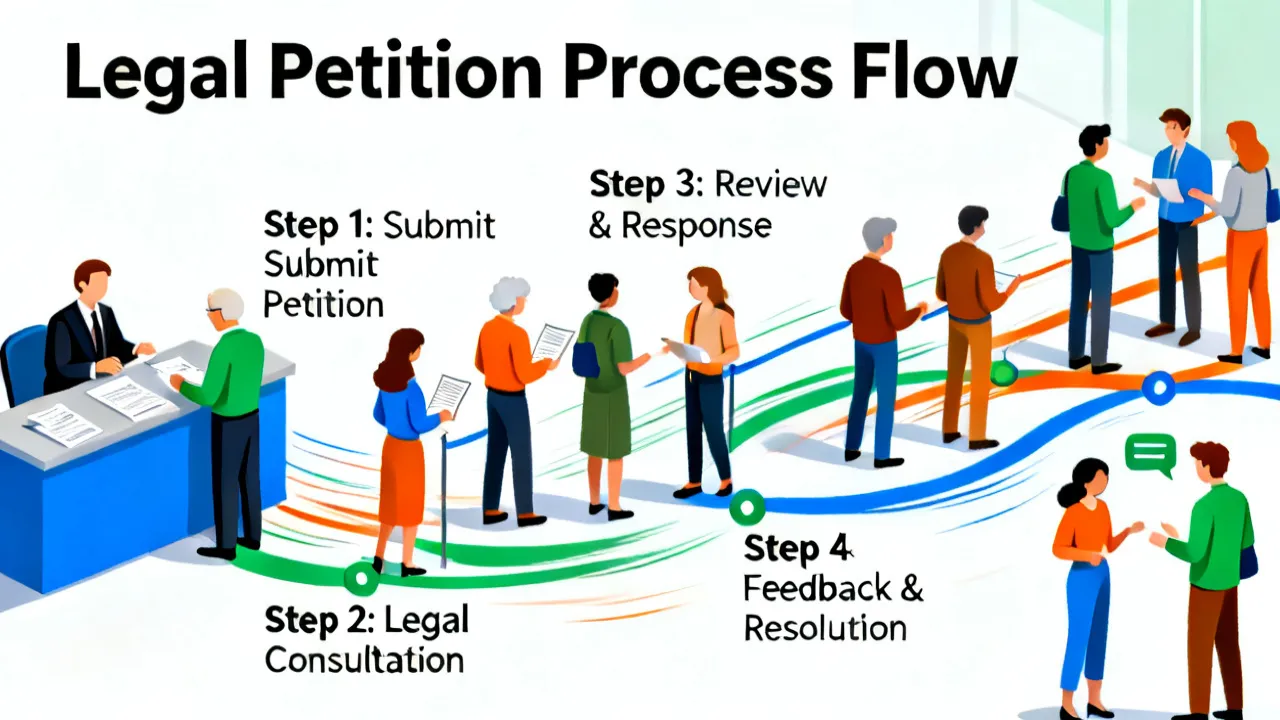
Understanding the Role of Petitions
Petitions are powerful tools that give individuals a voice in decision-making. This article explores their significance, examining how they influence policy, the process of creating one, and their sociopolitical impact. Petiti, commonly misunderstood as a simple request, embodies collective power aimed at influencing change by combining formal advocacy methods with grassroots efforts.

The Power of Petitions in Advocacy
Petitions serve as crucial instruments for advocacy and social change, enabling individuals and groups to formally present particular demands or requests to authorities. By garnering signatures, petitions demonstrate public support, potentially influencing policy decisions and societal norms. They are not merely informal appeals but structured initiatives that can lead to significant legal and legislative shifts. Petitions can act as a powerful tool for mobilizing communities, focusing public attention on specific issues, and fostering a sense of collective responsibility and urgency. In times of crisis or injustice, they can provide a channel for voices that may otherwise go unheard, offering a platform for grassroots movements to gain momentum and reach wider audiences.
Understanding Petitions: A Historical Prelude
Historically, petitions have been used to amplify marginalized voices, challenging societal norms and governmental policies. In the context of democracy, they have helped shape public discourse and policy. The Magna Carta, women's suffrage, and civil rights movements underscore pivotal moments where petitions were instrumental in achieving justice and equality. Each of these historical milestones represents not only a victory for specific groups but also a testament to the power of collective action through petitions. These campaigns often mobilized individuals who were passionate about human rights, equality, and justice, urging their governments to recognize their common humanity and to act accordingly.
One of the earliest known petitions can be traced back to ancient Rome, where citizens could present grievances to the Senate. Such historical examples set the stage for the development of more formalized petitioning processes, leading to the modern understanding of petitions as essential democratic tools. In contemporary society, we witness a growing trend in the use of digital petitions, facilitated through online platforms, allowing for an even greater reach and quicker dissemination of information. These innovations have further democratized the process, enabling voices from all walks of life to advocate for change.
How to Create an Effective Petition
An effective petition begins with a compelling and clear objective. Understanding the target audience and decision-makers is critical to crafting relevant messages. Here are steps for creating a successful petition:
- Define Your Goal: Clearly articulate the change you wish to achieve. A specific aim will make your petition more powerful and easier to support.
- Research Your Issue: Offer evidence-based support to legitimize your demand. Thorough research not only strengthens your argument but also equips potential supporters with information to share.
- Engage Your Community: Use existing networks and social media to build support and gather signatures. Engagement can take many forms, from community meetings to online discussions, ensuring everyone feels included and informed.
- Utilize Online Platforms: Digital petitions can reach wider audiences, increasing potential signatories. Websites like Change.org or Avaaz offer tools for creating petitions that are easily shareable and can be accessed globally.
- Deliver Your Petition: Choose an opportune moment and method to present your petition to stakeholders. Timing can significantly influence the reception of your petition; consider current events and legislative sessions when planning your delivery.
- Follow Up: After submitting your petition, keep the momentum going by sharing updates with your supporters and continuing to engage with decision-makers. This persistence can demonstrate continued public interest and support for the issue at hand.
The Sociopolitical Impact of Petitions
Petitions can influence change at multiple levels: from local to global, affecting policy, legislation, and societal values. The impact of a petition is often contingent upon media attention, public support, and the strategic engagement of decision-makers. The process of collecting signatures can also serve as a form of grassroots organizing, bringing people together around a common cause and raising awareness of issues that may have been overlooked.
| Aspect | Details |
|---|---|
| Public Support | A robust number of signatures can pressure policymakers to respond to collective demand. A petition with a substantial number of signatures gains legitimacy and credibility, showcasing the strength of public opinion. |
| Media Attention | Media coverage can amplify the voices of petitioners, attracting more supporters and attention from officials. Crafting a press release or organizing events can draw in journalists and generate a buzz around your cause. |
| Legislative Change | Successful petitions can lead to the drafting of new laws or amending existing regulations. They can initiate discussions within legislative bodies, sparking debates that may result in tangible policy changes. |
Notable Petitions in Recent History
The surge of online platforms has further empowered people to initiate petitions with global reach. Recent examples include campaigns for climate change action, digital privacy rights, and racial justice, highlighting the diverse issues that petitions can address and their capacity to cross geographical boundaries. For instance, the "Justice for George Floyd" petition garnered millions of signatures, which not only voiced the outrage of countless individuals but also kept the conversation around systemic racism and police brutality at the forefront of societal discourse.
Another notable petition is the "Clean Energy Standard," which calls for a transition to renewable energy sources in response to the climate crisis. This initiative has mobilized communities, urging governments to act decisively to mitigate climate change. These examples underscore how petitions can act as catalysts for broader movements, galvanizing public support and pushing for policy transformations that reflect the will of the people.
Case Studies: How Petitions Have Changed Policy
To illustrate the efficacy of petitions further, it's beneficial to examine a few seminal cases where petitions have led to verifiable changes in policy or public response. Each case serves as a powerful reminder of the impact advocacy can have when organized effectively.
The Anti-Apartheid Movement
One of the most significant campaigns involving petitions was the Anti-Apartheid Movement in South Africa, which gained international support through numerous petitions appealing for sanctions against the apartheid regime. Over the years, millions of people signed petitions urging their governments to impose sanctions and divest from South Africa. This collective pressure contributed to the international isolation of the apartheid regime, ultimately aiding in its dismantlement. The movement exemplifies how global petitions can unite disparate groups around a common cause, leveraging public opinion to influence governmental action.
The March for Our Lives
In the wake of the tragic shooting at Stoneman Douglas High School in Parkland, Florida, the March for Our Lives movement emerged, spearheaded by the student survivors of the attack. One of its cornerstones was a petition demanding stricter gun control laws. Leveraging social media platforms, the campaign mobilized students and supporters nationwide, culminating in a major march in Washington, D.C., that drew hundreds of thousands of participants. The petition’s success lay not only in the number of signatures but also in its ability to capture the collective grief and anger of a nation, pushing lawmakers to consider meaningful reform in gun legislation.
Global Reach of Petitions
In today’s interconnected world, the reach of petitions transcends borders, allowing for global advocacy on pressing issues. Online platforms enable a single petition to reach audiences worldwide, creating a sense of solidarity among people facing similar challenges regardless of their geographical locations. For example, the global petition against plastic pollution has rallied efforts across continents, uniting voices from environmental activists, government representatives, and everyday citizens.
The “Ocean Plastic Pollution” petition, which collected millions of signatures, called for a comprehensive global treaty to combat marine litter. This petition not only raised awareness internationally but also encouraged countries to commit to initiatives aimed at reducing plastic waste. It showcased the ability of digital petitions to connect individuals across the globe and promote cooperative action, emphasizing the need for a united approach to complex environmental issues.
Frequently Asked Questions
- What is a petition? A petition is a formal written request typically signed by many people, appealing to authority regarding a particular cause. It can range from local issues, such as demands for road repairs, to global concerns, such as climate change.
- How are petitions submitted? Petitions can be submitted physically or through digital platforms. Online submission often utilizes websites dedicated to gathering signatures, which can streamline the process and enhance visibility.
- What makes a petition successful? A petition's success is often due to clarity, relevance, public engagement, strategic timing, and media involvement. Success is also linked to the ability to inspire action and mobilize a community around a shared goal.
- Are petitions legally binding? While not legally binding, petitions can compel legal or policy shifts through public pressure and advocacy. They serve as an important tool for demonstrating public interest and initiating dialogue about crucial issues.
- Can I start a petition for any cause? Yes, petitions can be initiated for virtually any cause, though the likelihood of success may depend on public interest, the clarity of the issue, and the ability to mobilize support.
The Future of Petitions in Advocacy
As society evolves, the role of petitions in advocacy is projected to grow, continuing to empower citizens globally to voice their opinions and influence change effectively. The increasing digitization of communication and activism heralds innovative approaches to petitioning. Social media platforms are now playing an integral role in how petitions are disseminated and supported. Techniques such as video campaigns, influencer partnerships, and interactive engagement strategies will likely dominate future petition efforts, enhancing the way people connect and rally around a cause.
Moreover, as global issues like climate change, human rights violations, and public health crises continue to emerge, the capability of petitions to galvanize support for these causes becomes ever more vital. They will remain a necessary tool for fostering civic engagement and holding authorities accountable. As new generations of activists emerge, merging traditional petitioning strategies with modern technology, the impact of petitions will continue to resonate in society, proving that collective voices, when organized and amplified, can indeed lead to substantial change.
Furthermore, educational initiatives around the efficacy and methodologies of petitioning can enhance the impact individuals and organizations can have in their communities. Integrating advocacy skills into school curriculums, for instance, can empower young people to engage with social issues from an early age. Such educational approaches foster a culture of active citizenship, encouraging ongoing engagement beyond formal petitioning efforts.
To summarize, petitions are dynamic components of democratic engagement, vital for personal and collective advocacy. With their historical precedence and growing significance in the digital age, they exemplify the enduring power of public voices united in the pursuit of justice and reform. As we look to the future, the potential of petitions to effectuate change remains paramount, underscoring their role in the ongoing journey toward a more just and equitable society.
-
1

Maximizing Benefits of Solar Panels: Costs and Energy Efficiency
-
2
Maximizing Your Purchase: Ram 1500 Deals and Towing Capacity
-
3
Affordable Stair Lifts for Seniors: A Comprehensive Guide
-
4
The Ultimate Guide to Lab-Grown Diamonds: Ethical & Cost-Effective Choices
-
5
The Ultimate Guide to Weight Loss Injections, Metabolism, and Appetite Suppression