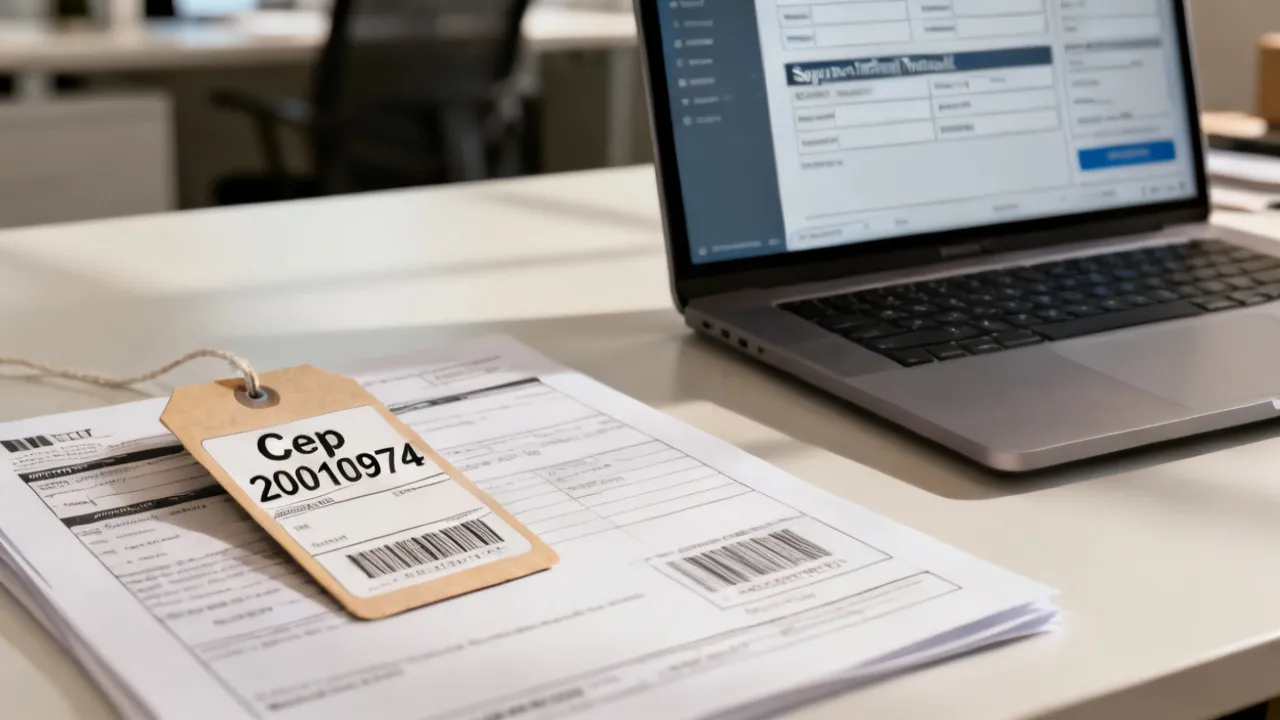
Pmoc Abrava: Applications, Sourcing, and Expert Guidance
This guide explains what Pmoc Abrava is, how it is evaluated in supplier workflows, and what to consider when planning sourcing and handling. It provides objective background on the term “Pmoc Abrava,” common procurement considerations, and risk controls. You’ll also find a comparison table, requirements, a step-by-step approach, and practical FAQs for safer, more consistent outcomes.
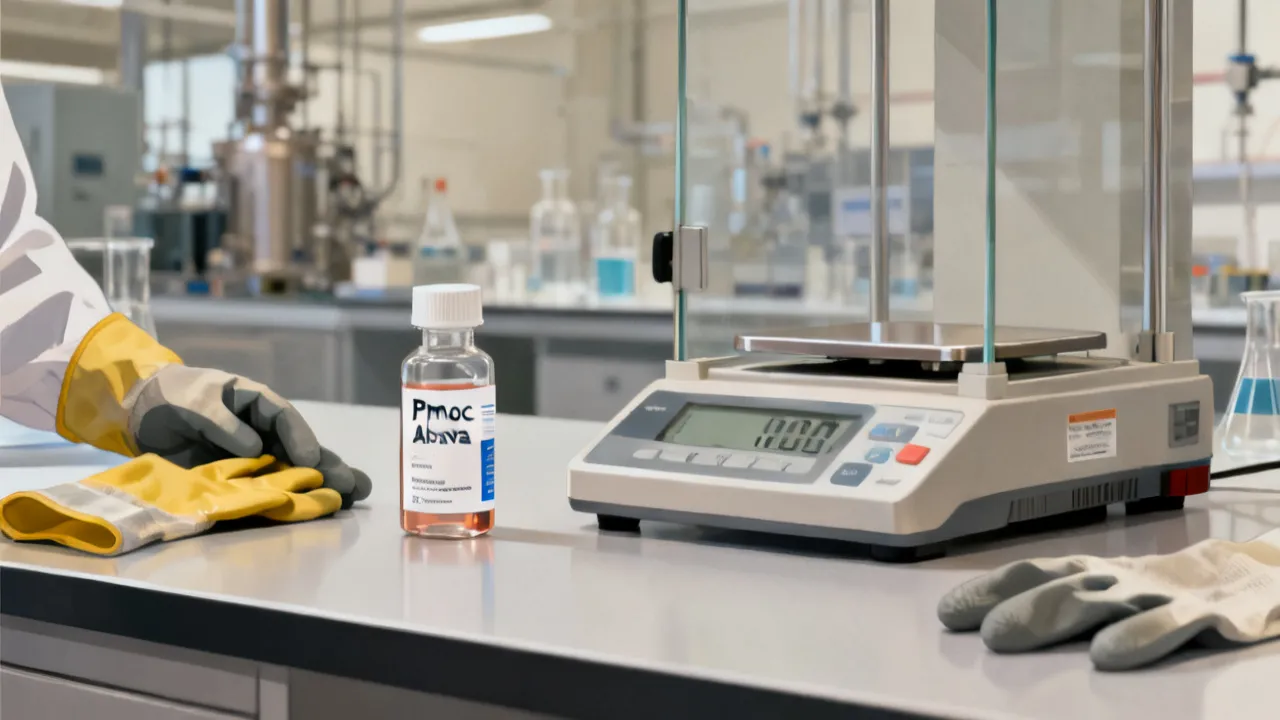
Executive Overview: Key Points on Pmoc Abrava for Procurement and Quality
Pmoc Abrava is discussed in industry contexts as a specialized chemical/material name used within process planning, sourcing evaluation, and quality control workflows. In practical terms, the most important decisions are rarely about the label alone; they are about specifications, documentation, traceability, compatibility, and handling requirements. This guide focuses on how experts typically assess Pmoc Abrava during supplier selection and downstream use—so your team can reduce variability, improve compliance readiness, and avoid costly incompatibilities.
Because specialized materials frequently sit at the boundary between “procurement ordering” and “technical performance,” experts treat procurement as an extension of quality assurance and engineering validation. That mindset affects everything: the questions you ask suppliers, the documents you require, the acceptance tests you plan, and the way you monitor early batches once the material enters a production environment.
Throughout this document, Pmoc Abrava is treated as an identifier that must be confirmed through verified documentation and risk-based technical checks. The goal is not to debate the name in isolation, but to operationalize how procurement and quality teams collaborate to ensure reliable performance.
Why “Pmoc Abrava” Matters in Real-World Workflows
In many supply chains, products like Pmoc Abrava are treated less like a consumer item and more like a controlled input. That mindset changes everything: procurement must coordinate with technical teams, quality assurance, and compliance. Even small mismatches—such as an unexpected impurity profile, an incompatible packaging material, or documentation gaps—can affect yields, stability, analytical outcomes, and batch-to-batch consistency.
From an expert perspective, the label “Pmoc Abrava” is best approached as an identifier that needs verification through CoA (Certificate of Analysis), SDS (Safety Data Sheet), lot traceability, and specification sheets. When those documents are consistent and complete, technical teams can plan testing protocols, compatibility checks, and storage/handling procedures with greater confidence.
In practice, the same “material name” can appear with different grades, different physical forms, different impurity profiles, or different residual solvent levels depending on supplier manufacturing routes. Two suppliers could both claim to supply “Pmoc Abrava,” but the underlying quality attributes that determine performance could differ substantially.
Therefore, the operational question is: What quality attributes of Pmoc Abrava are critical to your process, and how do you prove those attributes for the specific lot you receive? This is the core of the procurement-and-quality workflow described below.
What You Should Confirm Before Sourcing Pmoc Abrava
If you are considering Pmoc Abrava for an application, experts generally prioritize the following checkpoints:
- Identity confirmation: Verify naming conventions and ensure the material’s chemical identity matches your internal recipe or technical requirements.
- Specification alignment: Confirm purity/assay targets, impurity thresholds, and any critical quality attributes expected by your process.
- Documentation completeness: Ensure you can obtain SDS, CoA, and traceability information per lot.
- Packaging and transport suitability: Confirm container compatibility, labeling standards, and stability expectations during shipping.
- Analytical method expectations: Check whether the supplier’s test methods are compatible with your acceptance criteria and instruments.
These steps matter because chemical performance is strongly influenced by form (e.g., solid/liquid), physical properties, and the presence of impurities—none of which can be assumed based solely on a product name.
To expand this checkpoint list into a more operational form, teams often split the questions into five categories:
- What is it? (Identity) — Does the chemical identity and structural description match your requirements? Are there alternate synonyms that could cause confusion?
- How good is it? (Quality) — Do the impurity limits and assay targets match? Are “specifications” static or updated frequently?
- How do we know? (Verification) — Is there a CoA with lot-specific results? Are methods credible and repeatable?
- Can we store and handle it safely? (Safety/handling) — Is the SDS aligned with the lot’s actual composition and hazard classification?
- Will it behave correctly in our process? (Compatibility) — Do you need additional risk-based testing for your solvent system, catalysts, or reaction partners?
Supplier Evaluation: How Experts Compare Offerings Without Guesswork
When comparing suppliers for Pmoc Abrava, professionals typically create a structured evaluation rather than relying on price alone. While price can be a starting point, it should be secondary to technical and compliance readiness.
In regulated or audit-prone environments, the supplier’s ability to provide consistent lot documentation and respond to technical queries often predicts longer-term reliability. Look for:
- Repeatability: Similar analytical results across multiple lots under consistent storage conditions.
- Responsiveness: Clear answers about identity, impurity profile, and handling requirements.
- Quality systems maturity: Evidence of controlled manufacturing practices and deviation management.
Expert teams also consider how the supplier behaves when something goes wrong. For example, if an incoming lot fails your acceptance test, do they:
- Provide a root-cause investigation rather than just a replacement?
- Offer a deviation history and communicate potential changes?
- Support method discussions (e.g., chromatograms, reference standards, or detailed CoA notes)?
In high-stakes applications, that “support behavior” can be as important as initial documentation quality.
Handling and Safety Considerations (Objectively Framed)
Chemicals referenced as Pmoc Abrava must be handled according to the supplier-provided SDS and your organization’s safety management procedures. Experts do not treat any chemical name as a substitute for formal safety documentation.
Before use, teams typically confirm:
- Appropriate personal protective equipment (PPE)
- Ventilation and exposure controls
- Storage conditions (temperature, light sensitivity, container compatibility)
- Spill response and waste disposal procedures
- Transport classification and labeling requirements
Because the exact hazard profile depends on the verified identity and composition, always defer to the SDS issued for the specific lot or product form.
It’s also good practice to ensure your internal SDS library matches what was delivered. Many organizations maintain an “approved SDS list” and require that new SDS versions be reviewed for changes in hazard classification, first-aid statements, or recommended protective measures.
Finally, experts align safety and quality handling to avoid unintended cross-contamination. For example, inadequate container labeling can lead to storage in the wrong area, and mixing containers can cause analytical deviations. Safety and quality are linked by basic operational discipline.
Procurement Planning: Budgeting and “Price” With Technical Guardrails
You may encounter listings where Pmoc Abrava is quoted at different prices depending on purity grade, packaging size, lead time, and documentation level. Even without fixed prices in this document, the expert approach is consistent: treat price as the output of configuration choices, not the primary decision driver.
To make cost comparisons meaningful, align on:
- Unit basis: Price per gram, per kilogram, or per container equivalent
- Specification basis: Same assay/purity expectations and impurity limits
- Documentation basis: Same expectation for CoA detail and lot traceability
- Logistics basis: Shipping method, risk handling, and delivery lead time
In short: compare “apples to apples.” If the specifications differ, the apparent price gap can mislead procurement decisions.
Procurement teams often formalize “technical guardrails” into a purchase specification that includes:
- Minimum identity documentation requirements (e.g., how the supplier describes the substance and how it maps to your internal identifier).
- Minimum quality attribute set (assay, key impurities, water content if relevant, residual solvents if relevant, or other critical quality attributes defined by your process).
- Minimum documentation package requirements (SDS, CoA, traceability references like lot/batch number, manufacturing location identifiers if applicable).
- Minimum packaging and shipping requirements (container type, sealing method, temperature control if needed, tamper-evident practices if required).
This approach reduces the risk that a cheaper quote arrives with insufficient documentation, a different impurity profile, or a form that complicates your acceptance testing.
Industry Standards and Reliable Background Context
While Pmoc Abrava is a specific term, the broader principles governing how chemical inputs are sourced and governed are widely documented. In the chemical supply industry, quality systems typically reflect internationally recognized frameworks and regulatory expectations for hazard communication and quality documentation.
For safety and labeling expectations, organizations often rely on GHS-aligned SDS documentation. For quality verification, suppliers commonly provide CoAs and perform controlled testing. For procurement decision-making, many companies establish supplier qualification programs and incoming inspection regimes.
Reference note (sources): Safety data and hazard communication expectations are commonly aligned with the Globally Harmonized System of Classification and Labelling of Chemicals (GHS), developed under the United Nations system. Quality and supply chain compliance practices are often tied to frameworks discussed by OECD-aligned due diligence approaches and industry quality management principles.
In practical terms, “industry standards and background context” matters because it gives your procurement and quality teams a vocabulary and a baseline expectation for what “good” looks like. Even if you don’t cite standards directly in every purchase order, you can use them to inform:
- How to structure SDS review and version control
- How to define acceptance tests and sampling plans
- How to assess supplier maturity and quality governance
- How to document risk assessments and traceability practices
When auditors ask why a process passed or failed, your defensible documentation often matters more than the underlying assumption at the time of purchase.
Comparison Table: How Procurement Approaches Differ for Pmoc Abrava
This section compares common procurement approaches teams use when working with specialized inputs like Pmoc Abrava. The goal is to help you decide what level of verification and documentation is appropriate for your risk tolerance and intended use.
| Procurement Approach | Typical Use Case | Documentation Focus | Strengths | Conditions/Requirements |
|---|---|---|---|---|
| Supplier qualification first | When outcomes must be consistent across batches | CoA per lot, SDS, traceability details | Higher confidence in repeatability | Structured onboarding and incoming QA checks |
| Specification-matched sourcing | When you already know acceptance criteria | Assay/impurity profile alignment | Clear “fit” to your process requirements | Supplier specs must be verifiable and current |
| Test-on-receipt verification | When application tolerates additional validation time | Independent confirmation tests | Controls risk if supplier data varies | Qualified lab methods and defined acceptance limits |
| Documentation-only reliance | When low risk and historical supplier stability are proven | CoA consistency and deviation history | Fast onboarding | Only appropriate with strong track record and internal SOPs |
Even within a single company, the “right procurement approach” may differ by site, application, and risk level. For example, a pilot manufacturing team might accept more reliance on supplier documentation at the development stage, while a commercial quality environment may require stricter incoming verification.
A mature program also revisits the approach over time. Once your internal data demonstrates consistent performance, you may be able to reduce testing frequency; conversely, if deviations occur, you may increase verification intensity.
Step-by-Step Expert Guide for Working With Pmoc Abrava
The following is a practical, step-by-step process experts use to reduce surprises when procuring and integrating specialized materials like Pmoc Abrava. Adapt it to your organization’s SOPs and regulatory context.
- Define intended use clearly: Document the process stage where Pmoc Abrava will be used, including any conditions that could affect performance (temperature, solvent environment, reaction partners, or storage duration).
- Specify acceptance criteria: Translate your requirements into concrete targets such as identity confirmation, assay/purity, impurity limits, and any relevant physical property constraints.
- Request documentation up front: Ask for the SDS and a representative CoA (and ideally lot-specific CoAs for the first order) before finalizing procurement.
- Evaluate supplier capability: Confirm traceability practices, how they handle deviations, and whether their testing methods are consistent and auditable.
- Perform risk assessment: Include safety, quality, and compatibility risks. If your process is sensitive, plan for additional analytical verification on receipt.
- Plan incoming inspection: Establish a sampling plan, test methods, and acceptance/rejection criteria aligned to your process needs.
- Validate compatibility and stability: Ensure packaging and handling align with your workflow and the SDS requirements for storage and transport.
- Run controlled first-batch trials: Start with a limited batch or pilot run to confirm performance while you monitor key outputs.
- Document results and close the loop: If results deviate, record root-cause findings and update supplier qualification or internal specifications accordingly.
To make these steps more actionable, many teams define deliverables and decision points for each step:
- Deliverable after step 1: A process characterization document listing key conditions (solvents, temperature ranges, exposure time, and any sensitive downstream attributes).
- Deliverable after step 2: A written “specification/acceptance test” document with test method references, acceptance limits, and rationale.
- Deliverable after step 3: A document control package including the SDS version used, CoA fields received, and lot traceability identifiers.
- Decision point after step 4: A supplier qualification status outcome (qualified/provisional/needs more info) based on evidence.
- Deliverable after step 5: A risk assessment record linking risks to mitigation actions (e.g., additional testing for certain impurity classes).
- Deliverable after step 6: An incoming inspection plan that defines sampling strategy and what triggers escalation or rejection.
- Deliverable after step 7: A storage/handling SOP update or confirmation of existing SOP adequacy.
- Deliverable after step 8: A first-batch report capturing material performance outcomes and any anomalies.
- Deliverable after step 9: A quality improvement record (CAPA or similar internal mechanism) if changes are required.
Conditions and Requirements Typically Expected for Reliable Outcomes
- Verified identity: The material must match your defined chemical identity requirements.
- Lot traceability: You should be able to link each received container to its lot documentation.
- Consistent specifications: Ensure the supplier’s current specifications match your internal acceptance criteria.
- Controlled storage and handling: Follow SDS guidance to avoid degradation or contamination.
- Defined testing regime: Incoming verification should be risk-based and consistently executed.
Reliable outcomes also depend on “process discipline” that isn’t always visible in procurement documents. For example, even perfect supplier documentation can be undermined by:
- Incorrect storage temperature or exposure to moisture/air
- Cross-contamination from shared equipment or reused containers
- Deviations in weighing/transfer technique that affect measured purity or residual content
- Analytical instrument drift or non-aligned sample prep methods
Experts address these by aligning the procurement plan with laboratory practices and manufacturing SOPs.
Expert Considerations: Compatibility, Analytical Verification, and Change Control
For specialized materials like Pmoc Abrava, technical teams often focus on three themes:
- Compatibility: Does Pmoc Abrava behave as expected under your solvent system, temperature profile, and mixing conditions? Compatibility issues can masquerade as “quality” problems.
- Analytical verification: Are your acceptance tests reliable and properly calibrated? Overly broad or poorly validated criteria can cause inconsistent release decisions.
- Change control: Suppliers may reformulate, change production lines, or alter packaging. A mature supplier qualification program anticipates these shifts and requests change notifications.
1) Compatibility: Turning “Will it work?” into testable hypotheses
Compatibility is often where performance diverges despite passing supplier specs. For instance, a material might meet assay/purity thresholds but still behave differently due to particle size, hydration state, or residual solvent content. Compatibility checks help prevent misattribution of failures.
Compatibility is typically investigated using a combination of:
- Small-scale trials: Running representative preparation conditions (mixing order, solvent type, temperature ramps).
- Monitoring critical outputs: Tracking reaction progress, yield, impurity formation, color changes, or stability outcomes.
- Documenting preparation steps: Ensuring the same drying, pre-mixing, and transfer steps are used consistently across lots.
In addition, compatibility is not only chemical; it is also operational. Container interactions can matter. Some materials may absorb moisture or volatilize minor components during transfer if exposed to air longer than your SOP allows.
2) Analytical verification: Aligning methods, sampling, and acceptance limits
Analytical verification is not just about having an instrument and a test method; it is about ensuring the test produces reliable and decision-relevant results. Experts consider:
- Method suitability: Does your method actually measure the attribute you care about at the required sensitivity?
- Sample preparation consistency: Are sample prep steps repeatable and do they preserve the analyte state (especially for moisture-sensitive materials)?
- System suitability: Do chromatograms/spectra consistently meet required criteria before analyzing acceptance samples?
- Calibration and reference standards: Are standards traceable, current, and appropriate for the expected range?
- Sampling representativeness: For solids, are you sampling homogeneously or are there gradients (e.g., in particle size or moisture)?
A common pitfall is accepting a supplier CoA blindly without considering method differences. If your acceptance limits are based on one analytical approach, but the supplier’s CoA uses a different approach, you may see mismatches. Experts address this by either:
- Requesting additional supplier method information to confirm comparability, or
- Performing internal verification tests aligned with your acceptance criteria.
3) Change control: Preventing “silent drift” in material quality
Change control addresses the reality that suppliers are living systems. Even if a supplier’s product name remains “Pmoc Abrava,” manufacturing routes and processing parameters can shift over time.
Experts handle change control through a combination of:
- Contractual or procedural expectations: Requiring suppliers to notify changes that could affect identity, purity, impurities, packaging, or manufacturing location.
- Incoming trend monitoring: Tracking CoA results and internal test outcomes across lots to detect drift early.
- Requalification triggers: Defining when a supplier must be requalified (e.g., after changes to synthetic route, major equipment updates, or packaging changes).
Documentation changes also matter. A revised SDS version might reflect updated hazard classification due to new toxicological data; even if the material hasn’t changed, your internal controls might need updating.
Frequently Asked Questions (FAQs)
1) What is Pmoc Abrava used for?
Pmoc Abrava is referenced as a specialized material name in professional contexts. The exact use depends on verified identity and your process requirements. The most reliable answer comes from the supplier SDS and CoA, plus your internal technical specifications.
2) How do I confirm the identity of Pmoc Abrava before purchase?
Request documentation (SDS and lot-specific CoA) and ensure the supplier’s product identity matches your requirements. For high-sensitivity processes, experts typically perform incoming identity verification using validated laboratory methods.
3) Does the price of Pmoc Abrava reflect quality?
Price can vary based on purity grade, documentation completeness, packaging size, and lead time. However, price alone is not a quality measure. Compare specifications and documentation to ensure you are purchasing equivalent material.
4) What documentation should a supplier provide for Pmoc Abrava?
At minimum, request an SDS and a CoA. For procurement programs with stronger controls, also seek traceability details and information on deviations or change control history.
5) What storage and handling conditions apply to Pmoc Abrava?
Follow the SDS provided for the specific lot and product form. Handling requirements depend on the verified identity, packaging, and hazard classification. Your internal EHS SOP should govern PPE, ventilation, and waste disposal.
6) How should we handle batch-to-batch variation risks?
Use a risk-based incoming inspection plan, define acceptance criteria clearly, and include a first-batch validation step. Maintain change control procedures so that formulation or process changes by the supplier trigger internal review.
7) Where can I source Pmoc Abrava?
Suppliers for specialized inputs are typically identified through established chemical procurement channels and supplier qualification processes. The best practice is to qualify based on documentation quality, traceability, and verified technical fit—not solely on availability.
8) Are there regulatory or compliance considerations?
Safety communication and hazard classification are commonly aligned with internationally recognized systems such as the UN GHS framework. Quality and procurement compliance are typically managed through your organization’s quality system and supplier qualification procedures. Always consult qualified compliance professionals for your jurisdiction.
Reliable Reference Frameworks (Non-exaggerated, Objective)
- UN GHS framework: Widely used for hazard communication and SDS-aligned labeling expectations. (United Nations, GHS documentation)
- Quality management principles: Commonly reflected in industry quality systems and supplier qualification approaches (e.g., general ISO-style quality management thinking)
- Due diligence practices: Often incorporated into supply chain risk frameworks by economic cooperation and compliance guidance (OECD due diligence concepts)
Practical Procurement Templates (How Experts Operationalize These Requirements)
Many teams improve consistency by turning the checklist and decision logic into procurement “templates.” While you may customize these for your organization, the essential idea is to reduce ambiguity. Ambiguity is where mismatched quality attributes and documentation gaps originate.
A) Purchase Request (PR) Fields to Include
When raising a PR for Pmoc Abrava, experts often include fields that force early clarity:
- Intended application/process stage: Where and how the material will be used.
- Required grade/quality level: Either by referencing a specification or by listing key quality attributes.
- Documentation requirements: SDS version expectations and CoA requirements (lot-specific, with impurity data as applicable).
- Traceability requirements: Lot/batch number and manufacturing details needed for audits.
- Packaging preference: Container type and size constraints that match internal handling SOPs.
- Shipping constraints: Temperature or protection requirements if moisture/light sensitivity is relevant.
B) Supplier Questionnaire Topics
Experts commonly use a structured supplier questionnaire. Topics typically include:
- Identity confirmation approach: How the supplier verifies chemical identity and handles naming variations.
- Quality control testing approach: What tests are performed, frequency, and how results are recorded.
- Impurity tracking philosophy: How the supplier defines impurity limits and detects shifts over time.
- Deviation and CAPA process: How deviations are documented and corrected.
- Change notification commitment: What triggers supplier notifications and how quickly those notifications are shared.
- Packaging and stability data: Any stability studies or packaging validation evidence relevant to storage/transport conditions.
- Analytical method details: Whether methods are validated and whether they can share method information upon request.
C) Receiving Checklist (Incoming Verification)
An incoming verification checklist helps ensure that procurement actions don’t bypass quality steps. For Pmoc Abrava, receiving teams often confirm:
- Container labeling matches the purchase order and SDS identity.
- Lot/batch number is visible and matches documentation.
- Packaging is intact (no leaks, breaks, damaged seals).
- Storage conditions upon receipt are appropriate (e.g., avoid exposure to humid environments if relevant).
- The CoA is complete (all required fields, impurity profile where applicable).
- Any special handling requirements are clearly flagged to the lab and manufacturing teams.
Having this checklist reduces the likelihood that an item is “accepted” administratively but fails technical verification later.
How to Reduce Risk: Common Failure Modes and Mitigations
Even when teams follow standard procurement and quality steps, risk can still arise. Experts therefore think in terms of failure modes—predictable ways a procurement-quality workflow can break down.
Failure Mode 1: Misalignment of specifications
Sometimes the purchase order lists “Pmoc Abrava,” but the specification expectations aren’t fully defined. The supplier interprets the request using a default grade that differs from your internal needs.
Mitigation: Require a written specification set and insist that the CoA outputs cover those attributes. Align acceptance criteria and documentation fields before the first order, not after delivery.
Failure Mode 2: Incomplete or inconsistent documentation
If an SDS is missing, outdated, or not aligned with the shipped lot, safety and handling controls may be incorrect. If a CoA lacks impurity data, quality decisions might be made on incomplete evidence.
Mitigation: Define a documentation completeness threshold (what must be included). Control document versions in your SDS library and keep lot linkage records.
Failure Mode 3: Hidden compatibility issues
A material can pass purity and identity checks but still fail performance due to physical properties or residual components that affect your process. Compatibility failures can look like “quality problems” but originate from process interactions.
Mitigation: Perform first-batch compatibility testing under representative conditions. If performance issues occur, check physical properties, moisture sensitivity, and preparation steps.
Failure Mode 4: Analytical test method mismatch
Supplier CoA methods might differ from internal methods, producing results that don’t correlate directly. If internal acceptance criteria assume one method, you can observe apparent deviations.
Mitigation: Compare method capabilities and sensitivity. Where needed, conduct internal verification testing rather than relying solely on supplier results.
Failure Mode 5: Change control gaps
Suppliers may change packaging materials, processing equipment, or even raw material sources without clear notification. The material name remains the same, but quality attributes drift.
Mitigation: Require change notifications, monitor incoming trends, and define requalification triggers. Use CAPA processes to connect observed deviations back to potential supplier changes.
Managing Batch Release Decisions With Evidence-Based Confidence
One of the biggest operational challenges is deciding what to do when documentation and internal testing partially agree. Experts manage batch release using evidence-based decision logic rather than single-point assumptions.
For instance, if Pmoc Abrava arrives and the SDS and identity checks align, but impurity data is borderline or one test result is out-of-trend, teams typically:
- Verify instrument/system suitability for the internal method
- Confirm sample representativeness and preparation correctness
- Review CoA fields and calculation methods (including basis of assay, units, and how impurities are reported)
- Decide whether to repeat testing, escalate, or hold the batch based on pre-defined decision rules
This approach prevents “release by habit.” It also ensures consistent decisions across different analysts and different shifts.
Aligning Cross-Functional Ownership: Procurement, Quality, EHS, and Engineering
Because Pmoc Abrava touches safety and performance, it is rarely owned by a single department. Experts ensure cross-functional alignment by creating clear responsibility boundaries.
Common cross-functional responsibilities include:
- Procurement: Ensures correct supplier selection, documentation requirements, and purchase order clarity.
- Quality assurance (QA): Ensures supplier qualification, document control, and that release decisions meet defined SOPs.
- Quality control (QC)/Lab: Performs incoming verification testing and method reliability checks.
- EHS: Ensures SDS review, hazard communication, PPE requirements, storage and waste guidance.
- Engineering/Process: Ensures compatibility and validates process outcomes based on the incoming material state.
When these roles are unclear, the risk increases that documentation is collected without technical interpretation, or that technical testing is performed without safety readiness.
Conclusion: Making Pmoc Abrava Decisions With Technical Confidence
Working with Pmoc Abrava requires a disciplined procurement and quality approach. The safest path is to treat the name as an entry point for verification—then anchor decisions in SDS guidance, CoA data, traceability, and validated acceptance criteria. By following the step-by-step approach and using the comparison table as a decision aid, you can reduce uncertainty, strengthen supplier accountability, and support consistent, dependable outcomes in your process.
Ultimately, the value of expert procurement and quality practice is that it converts uncertainty into evidence. Instead of relying on the label alone, your organization builds a defensible chain of documentation and technical verification—so that when audits, deviations, or performance questions arise, you can explain exactly what you checked, what you accepted, and why.
-
1

Maximizing Benefits of Solar Panels: Costs and Energy Efficiency
-
2
Maximizing Your Purchase: Ram 1500 Deals and Towing Capacity
-
3
Affordable Stair Lifts for Seniors: A Comprehensive Guide
-
4
The Ultimate Guide to Lab-Grown Diamonds: Ethical & Cost-Effective Choices
-
5
The Ultimate Guide to Weight Loss Injections, Metabolism, and Appetite Suppression