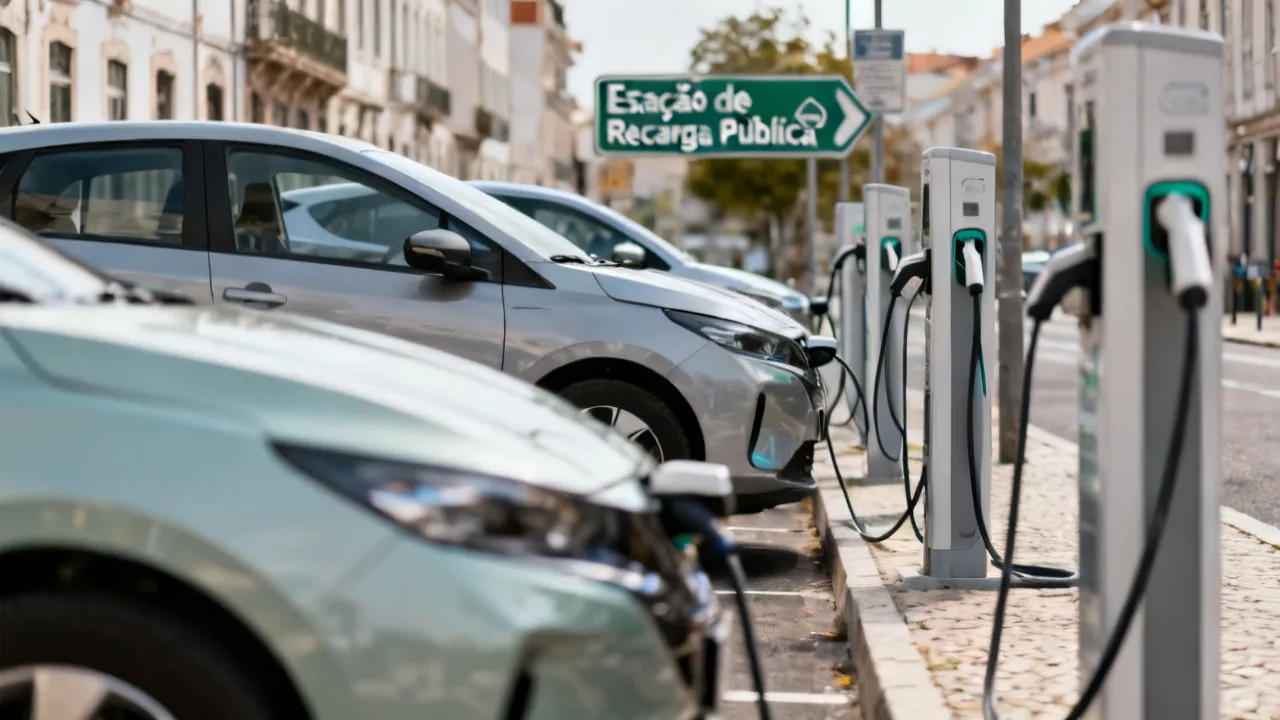
Carro Elétrico no Rio: Guia Objetivo e Completo
This guide explains how to choose and evaluate Carros Eletricos Rio de Janeiro, focusing on real-world factors like charging, range planning, total cost, and supplier selection. Background context covers why electric mobility is expanding in nearby Rio de Janeiro, what “good value” typically means in the market, and how to approach quotes, installation, and maintenance requirements objectively.
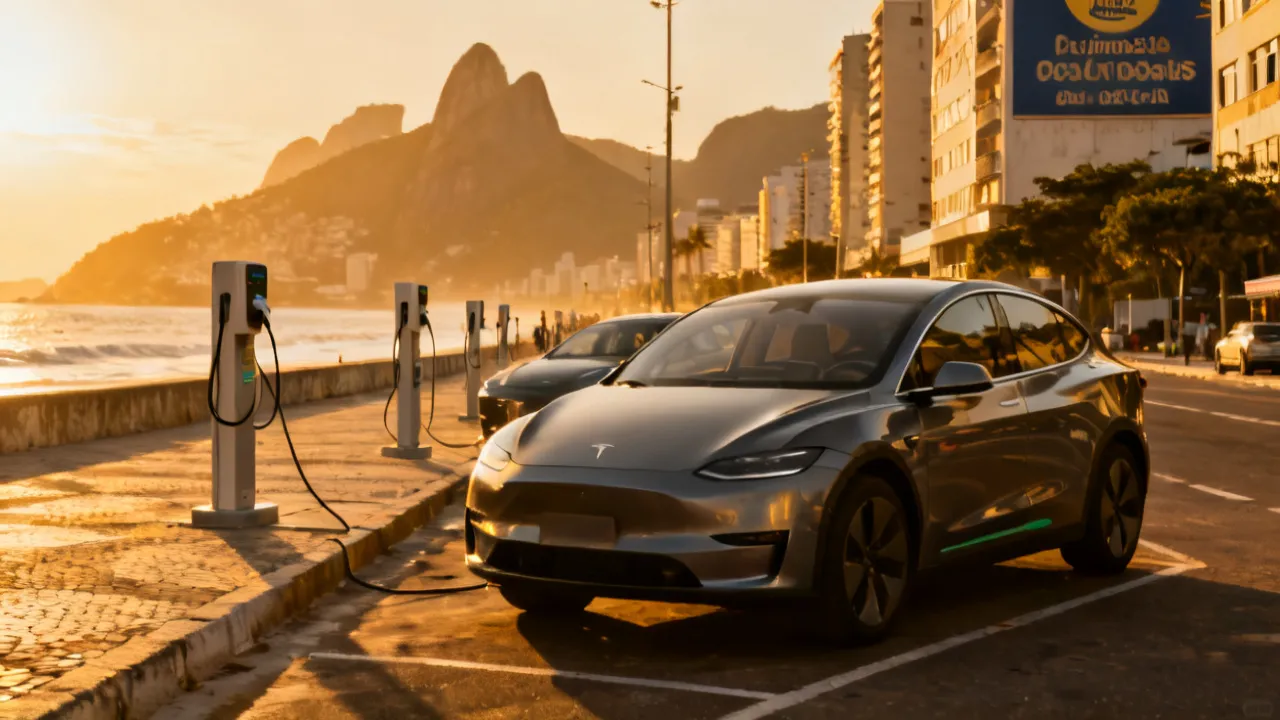
How to choose Carros Eletricos Rio de Janeiro without surprises
If you’re considering Carros Eletricos Rio de Janeiro, the most important decision isn’t only the vehicle model—it’s how you’ll charge, maintain, and manage total ownership costs in daily life. Before comparing prices, evaluate charging access near home and routes, confirm warranty and service coverage, and verify the supplier’s installation capability for charging equipment.
In a market shaped by coastal commuting, dense urban traffic, and seasonal tourism around nearby Rio de Janeiro, these practical factors often matter more than headline specifications. An objective approach—checking documentation, charging standards, and service terms—helps you compare options reliably.
Many buyers start with range and acceleration because those are exciting. But “surprises” usually show up later in the areas that aren’t visible in ads: a charger that can’t be installed where you park, a connector standard that doesn’t match your charging plan, an authorized service location that’s too far for convenient warranty repairs, or an electricity cost model that doesn’t reflect how you’ll actually drive. The goal of this guide is to help you build a realistic plan first, and choose the EV confidently afterward.
Start with charging reality in nearby Rio de Janeiro
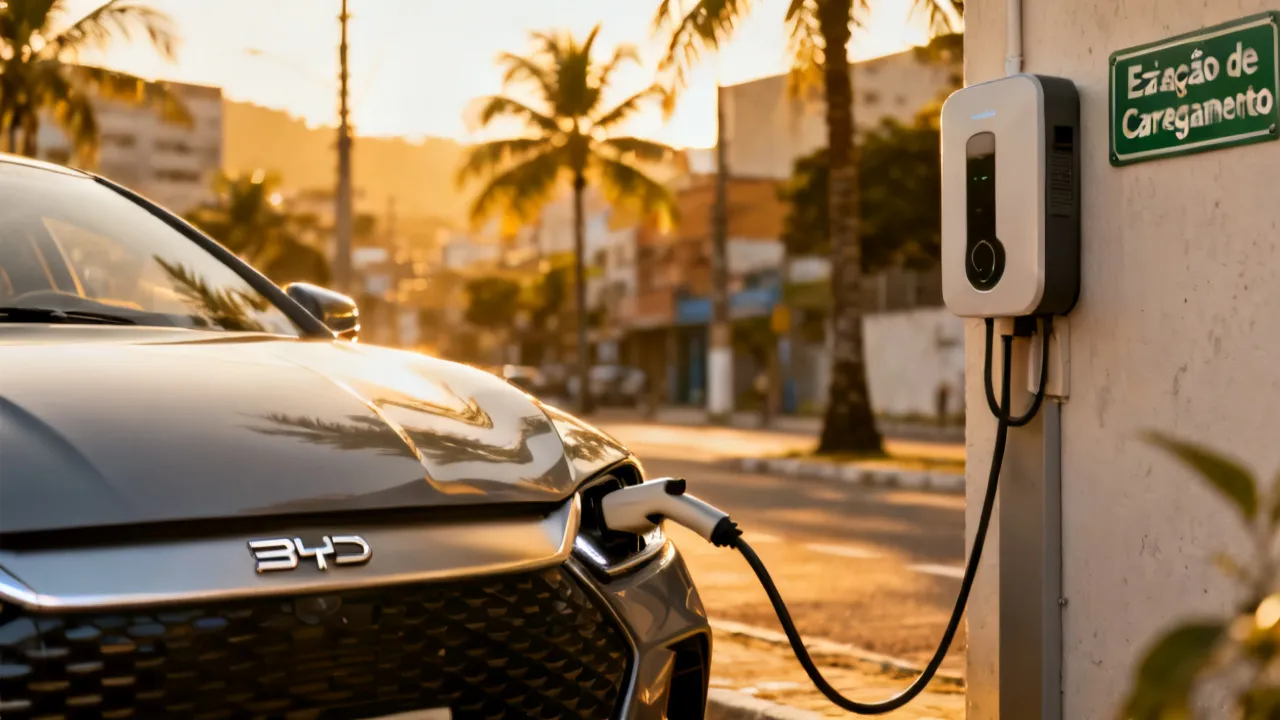
Most ownership friction comes from charging logistics. For Carros Eletricos Rio de Janeiro, you should map your typical weekly pattern: where you park at night, where you can charge safely, and how you’ll handle occasional longer trips.
Begin by describing your life in EV-friendly terms. Instead of thinking “I’ll charge whenever,” think: “On Monday through Friday, where will energy come from?” Most EV owners discover that if you can establish a reliable routine, the rest becomes dramatically simpler.
To make this mapping practical, collect information in three layers: your home charging possibilities, your work or routine destination charging possibilities, and your emergency charging options for longer or unexpected trips.
- Home charging: If you can install a wall connector or compatible outlet where the vehicle sleeps, charging becomes predictable and usually more convenient than relying solely on public points.
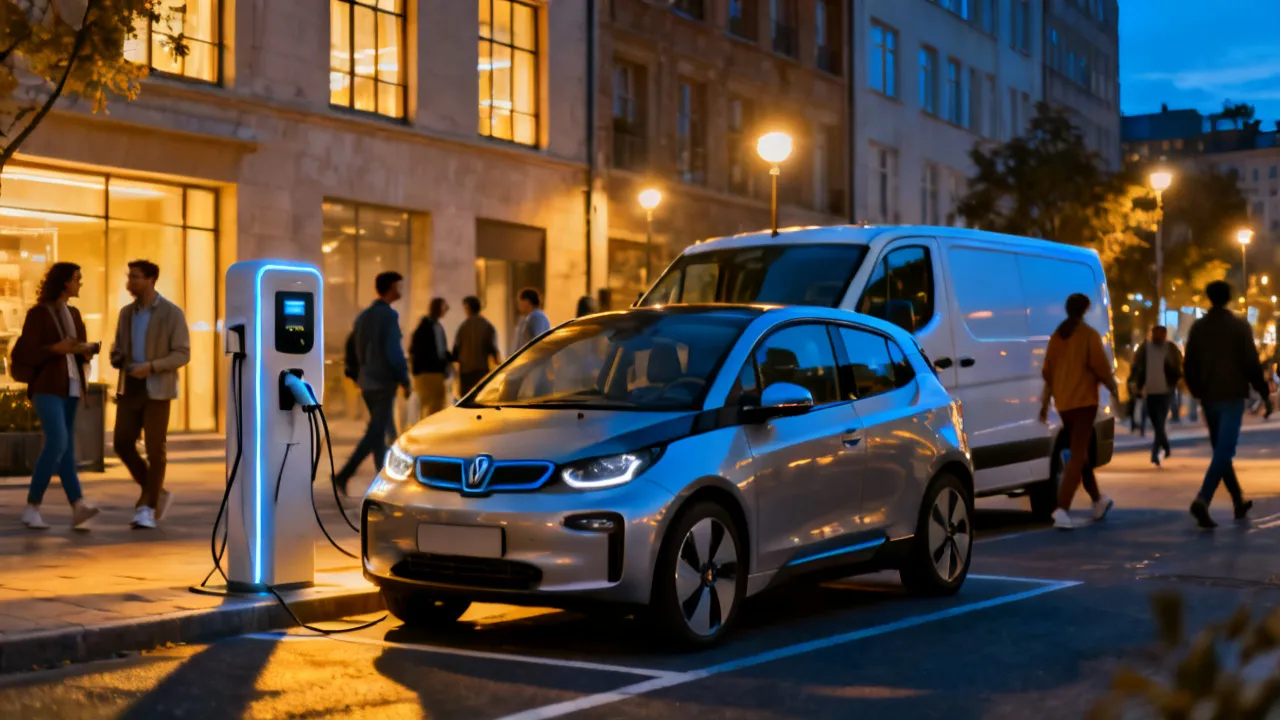
- Public charging coverage: Confirm the availability of reliable charging points along your routine areas and near key destinations (work, shopping districts, and transport hubs). Reliability is not only about “there are chargers”—it’s about whether they are functioning consistently and whether access is practical at the times you actually need them.
- Connector and speed compatibility: Charging speed depends on both the charger’s output and the vehicle’s onboard acceptance. Verify technical compatibility before committing. If you buy an EV expecting mostly fast charging, confirm that your planned chargers actually deliver useful power for that specific model.
It’s also worth checking real-world usage conditions. In Rio’s neighborhoods, parking rules, building access schedules, and street-level availability can influence your charging routine. A charger that is theoretically nearby may be difficult to use during peak hours or in areas with complicated access.
Assess your charging options with a “friction test”
Before comparing any car offers, perform a friction test. Imagine your typical day with a simple scenario: you return home in the evening, you see your battery is at a certain level (you decide the threshold), and you need to top up. Ask: can you do it quickly, safely, and without repeated steps that require special permissions or constant troubleshooting?
For example:
- If home charging depends on installing equipment, consider the time needed for approval from a building/condominium, and whether that approval might delay your purchase or require extra documentation.
- If workplace charging is the plan, check whether the charging spots are always available or reserved for certain employees/vehicles.
- If public charging is the plan, test whether the chargers align with your route and whether you can plug in without complicated registration processes that you’re forced to manage at the worst possible time.
Charging friction can be measured in “moments,” such as: how many apps you need to install, how many steps it takes to start a session, and whether you need to adjust parking positions to reach a cable. These may sound minor, but they matter because EV ownership is repetitive—small friction compounds over time.
Total cost of ownership: the “real price” comparison
When people search for Carros Eletricos Rio de Janeiro, they often expect to compare “price” directly. However, the most objective measure is total cost of ownership across the years you plan to keep the vehicle.
In practice, this comparison should consider:
- Vehicle purchase or lease terms: Down payment, monthly payments, and end-of-term conditions.
- Charging electricity costs: Home tariff assumptions versus public charging rates you actually expect to use. In some cases, public charging can be significantly more expensive, and frequent use changes the cost equation.
- Maintenance and service intervals: Electric drivetrains typically reduce certain wear items, but tires, brakes (often less frequent), and cooling systems still require scheduled attention.
- Insurance considerations: Repair costs and parts availability can influence premiums.
For any quotation, ask for a breakdown rather than accepting a single number. This is the clearest way to compare different supplier offers fairly.
To make this easier, request itemized quotes that show what you’re paying for in plain language: vehicle base price, taxes, registration fees (if applicable), charging equipment (if included), installation labor, any cable extensions, protective accessories, and service packages. If the supplier can’t provide this clearly, it’s a signal to slow down.
Then build a simple yearly cost model. You don’t need spreadsheet complexity; you need consistent assumptions. Use your expected driving distance and charge frequency to estimate electricity usage. Add maintenance and insurance estimates based on available market info. Even approximate numbers are useful because they reveal which option is genuinely cheaper over the ownership period, not just the cheapest on day one.
Supplier selection: choose based on service competence
The supplier is more than a seller; they influence installation support, documentation quality, and the speed of service handling. For Carros Eletricos Rio de Janeiro, treat the supplier’s role as part of the purchase equation.
When evaluating suppliers, look for:
- Clear warranty terms: Confirm what’s covered (vehicle, battery, drivetrain, and charging-related components) and for how long. A detailed warranty explanation matters because you want to know what to do when something fails and what proof is required.
- Documented service network: Check whether authorized service is available at reasonable distance from your routine. Also verify whether they provide appointment scheduling smoothly and whether they can handle EV-specific diagnostic tasks.
- Charging installation capability: If a home solution is needed, confirm that installation work is performed by qualified partners with appropriate safety procedures. Ask whether they use certified materials and whether they can handle typical building constraints (circuit capacity, cable routing, and safety protections).
- Transparent invoicing: Prefer quotes that separate vehicle price from installation, taxes, and accessories where applicable. Transparent invoicing also makes it easier to validate what was included later if you need service parts or warranty coverage.
Because conditions and requirements can vary by building type, local electrical capacity, and condominium rules, a supplier who asks the right pre-questions usually indicates better operational maturity.
To evaluate operational maturity, observe how the supplier responds when you ask specific questions. Do they provide direct answers, or do they shift you toward general assurances? Strong suppliers explain the constraints and propose practical solutions. Weaker suppliers avoid details, promise “it will work out,” or don’t mention how installation is handled.
Range planning in a city shaped by coast and traffic
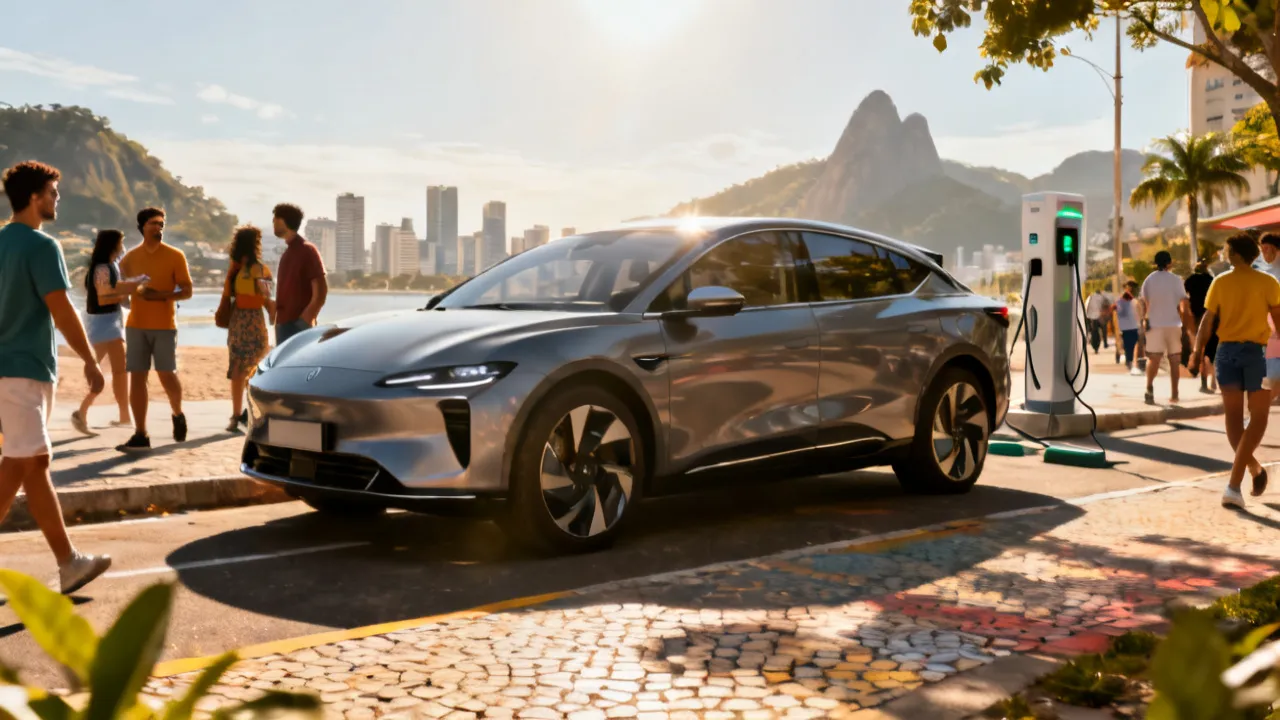
Urban driving in nearby Rio de Janeiro involves frequent stops and varying speeds. Electric efficiency can be strong in stop-and-go conditions, but results depend on traffic flow, climate control usage, and driving style.
An objective range approach:
- Use “daily range” thinking: Instead of relying on a maximum laboratory figure, plan around your typical trip length plus a practical buffer.
- Account for climate use: Cooling and heating can affect consumption, especially in hotter months or when using defrost features.
- Learn charging timing: Scheduling charging off-peak hours (where relevant) can improve cost predictability.
When reviewing brochures, compare official test methodology and understand that real-world outcomes vary. Your best reference is a combination of community experiences and your own travel pattern assessment.
In a coastal city, you may also encounter variable conditions—humidity, rain, and occasional fog—that influence traction and the need for climate control. While these effects are not always dramatic, they contribute to day-to-day uncertainty. The right response is not to chase perfect numbers; it’s to ensure you can charge consistently and have a contingency plan.
Range anxiety often happens when a buyer has only one plan: “I’ll charge at home.” But if your home charging depends on an installation that isn’t ready immediately, or if your routine parking spot becomes unavailable temporarily, you need a backup that’s realistic.
Safety and compliance should be non-negotiable
Charging equipment and installations require safety compliance. For Carros Eletricos Rio de Janeiro, confirm that any charger installation plan includes:
- Proper electrical protection (breakers, grounding, and protection devices suited to the installation environment).
- Compliance with local electrical practices and building standards.
- Correct labeling and documentation after installation.
Taking shortcuts in installation can create long-term operational risk. The most “cost-effective” choice is usually the one that avoids repeated fixes or service delays.
Safety is also connected to performance. A properly installed system supports stable charging. An under-engineered installation can lead to overheating risks, power limitations, or nuisance tripping of circuit breakers. Even if the car still charges, unstable electrical behavior can be frustrating and can increase long-term cost if it leads to repairs.
When a supplier offers installation as part of the deal, ensure they provide documentation that you can keep: proof of compliant equipment, installation notes, and any commissioning report. If you ever need warranty support related to charging systems, documented installation is often the difference between a smooth resolution and a difficult dispute.
What industry experts look for when advising buyers
From an industry perspective, advisors usually aim to reduce uncertainty. For electric vehicle adoption, this typically means validating that the customer can:
- Charge consistently (at least one dependable method).
- Service the vehicle (warranty processing and repair availability).
- Predict costs (charging cost model and maintenance expectations).
- Comply with local constraints (condominium rules, parking access, and installation feasibility).
When those conditions are confirmed, buyers are better positioned to enjoy electric mobility rather than “debug” charging issues after purchase.
In practice, expert guidance often includes a “readiness checklist” similar to what you would do for a broadband connection or a renewable energy setup: confirm compatibility, confirm capacity, confirm support, confirm documentation. It’s less glamorous than choosing a color or a range spec, but it prevents most serious problems.
Comparison table: requirements, steps, and conditions for evaluation
The table below reframes practical guidance into a decision checklist. Use it to compare Carros Eletricos Rio de Janeiro options objectively across suppliers and charging scenarios.
| Topic | What to Compare | Step-by-Step Approach | Conditions / Requirements |
|---|---|---|---|
| Charging Access | Home charging feasibility and public charging reliability | 1) List weekly routes and parking locations. 2) Confirm where charging will be available. 3) Test a planned charging routine on a typical day. | Building permission, electrical capacity, and compatible connector standards. |
| Supplier Capability | Installation support and after-sales process | 1) Ask for documentation of installation partners (if applicable). 2) Confirm authorized service coverage. 3) Request a written warranty summary. | Qualified installers, service network availability, and clear warranty terms. |
| Cost Breakdown | Total ownership costs, not only sticker price | 1) Collect itemized quotes. 2) Estimate charging electricity expenses based on your likely usage. 3) Include maintenance and insurance assumptions. | Transparent invoicing, realistic charging scenarios, and consistent comparison basis. |
| Vehicle Suitability | Range, charging speed acceptance, and drivetrain needs | 1) Compare official specs with your driving pattern. 2) Check charging acceptance compatibility. 3) Validate comfort needs (climate use, seating, storage). | Realistic buffer for range, correct charger-vehicle compatibility, and acceptable comfort/performance for local routes. |
| Maintenance & Warranty | Service intervals and battery coverage terms | 1) Review warranty duration and coverage scope. 2) Confirm service schedule availability. 3) Ask about parts availability for common wear items. | Authorized service access, documented repair procedures, and warranty activation requirements. |
Step-by-step guide: a buyer’s workflow in nearby Rio de Janeiro
To keep your decision systematic, follow this workflow. It’s designed for the local reality of Carros Eletricos Rio de Janeiro buyers—where parking rules, neighborhood infrastructure, and commuting rhythms can vary significantly.
- Define your charging baseline: Decide whether you’ll primarily rely on home charging, workplace charging, or public infrastructure.
- Collect at least two supplier quotes: Ask for itemized pricing (vehicle + any installation/accessory items) and written warranty details.
- Check service coverage: Confirm where authorized service is available and the typical turnaround process for warranty claims.
- Validate technical compatibility: Ensure the vehicle’s charging acceptance matches your intended charger plan.
- Estimate your weekly electricity cost: Use your typical driving distance and charging frequency. Keep assumptions explicit.
- Plan for tires and routine service: Electric cars still require scheduled maintenance; incorporate tires and alignment checks into expectations.
- Decide based on documented terms: If warranty, installation support, and service steps are clearly written, you’re comparing on equal ground.
Now, let’s expand each step into something you can actually execute. A structured workflow reduces emotional decision-making and replaces it with verifiable facts.
1) Define your charging baseline (and set realistic assumptions)
Your charging baseline is the plan you believe you’ll follow most weeks. For many buyers in Rio, home charging is ideal, but building constraints can complicate installation. Others rely on workplace chargers, and some rely on a network of public chargers. Your job is to identify which plan is truly stable—not which plan sounds ideal on paper.
Consider the following questions:
- Where will the car be parked the longest period during the day?
- Is there an electrical outlet near the parking spot (even if charging is not currently set up)?
- Is the parking spot assigned or subject to change?
- Does your schedule allow you to charge during predictable windows?
- If you cannot charge at home for a period, where is your next-best option?
Then set a threshold for how low you’re comfortable letting the battery drop before you charge again. For example, if your daily driving is 40 km and you prefer low stress, you might set a charging trigger at 25% state of charge. Your actual threshold can be different, but having a threshold helps you plan.
Once you know your trigger, estimate how many charging sessions per week you’ll need and what power level you can realistically use (slow, medium, or fast charging). This informs the kind of charger you should prioritize and whether home charging makes sense.
2) Collect itemized quotes (vehicle + installation + documentation)
When comparing offers for Carros Eletricos Rio de Janeiro, the most common mistake is comparing only the vehicle price. Two suppliers can offer the same vehicle, but one includes installation support and the other doesn’t. Or one might include charging equipment while the other lists it as an accessory, raising the effective cost.
To avoid confusion, request:
- Vehicle line item: model, variant, and base price.
- Any mandatory accessories: cables, adapters, installation items required for safe operation.
- Installation line items (if applicable): hardware, labor, electrical protection devices, permitting fees (if required), and any building compliance documentation.
- Warranty information: exact duration and what is covered, with conditions.
- Service package details: any scheduled maintenance inclusions or discounts.
Ask the supplier how installation works if you’re in a condominium. Some installations require building board approval, electrical load assessment, or additional structural approvals. A competent supplier will guide you through this process and explain who is responsible for which steps.
Also ask about timelines. You want to know when installation can be scheduled, how long it takes, and whether there are prerequisites (like building electrician inspection). Timeline clarity reduces purchasing mistakes—especially if your current vehicle must be replaced by a certain date.
3) Check service coverage (distance, schedule, and process)
An EV is not “maintenance-free.” It simply changes what maintenance looks like and what parts are involved. More importantly, it changes how repairs and diagnostics are handled. If authorized service is far away, repairs become inconvenient and warranty resolution could take longer than you expect.
Service coverage evaluation should include:
- Where is authorized service? Consider your willingness to travel for appointments or emergencies.
- How do warranty claims work? Ask what documentation is required and how the claim is processed.
- Typical turnaround time: You may not get exact times, but you can ask for an estimate or an explanation of what affects timing.
- Parts availability: Ask whether commonly replaced parts are held locally or if they must be shipped.
- Communication process: How does the service center update you on diagnosis and repairs?
In addition, ask whether the service center can handle software updates and EV-specific diagnostics. Modern EVs rely heavily on software, and issues can be resolved through updates rather than hardware replacements.
4) Validate technical compatibility (vehicle acceptance vs charger output)
Technical compatibility is one of the biggest sources of “surprises.” People buy a charger they think will provide a certain speed, but the vehicle can only accept a lower maximum charging rate for that scenario. The result is slower charging than expected.
To validate compatibility, you need to compare:
- The charger type and output: For home and public charging, clarify whether it’s AC or DC and what power levels it can provide.
- The vehicle’s charging acceptance: The vehicle’s onboard system determines how fast it can charge under specific conditions.
- The connector standard: Make sure the connector type you plan to use is available for your vehicle.
It’s also important to verify whether any adapter is needed. If an adapter is required, confirm whether it is included with purchase or sold separately, and whether it is acceptable for daily use according to the manufacturer.
5) Estimate your weekly electricity cost (use your real charging pattern)
Electricity cost estimation isn’t only about price per kWh. It’s also about how often you charge, how many kilometers you drive per charge, and charging losses (heat, conversion efficiency, and charger behavior).
Start by estimating:
- Your weekly distance (km per week).
- Your expected consumption (kWh per 100 km or km per kWh). If you don’t know it, use manufacturer estimates as a starting point, then adjust with community feedback or your own short trial.
- Your expected charging mix: percentage charged at home vs public chargers.
- Your home electricity tariff assumption and your expected public charging rates.
Then calculate approximate cost:
- Estimated kWh = (weekly km ÷ efficiency) / 100
- Weekly cost = home kWh × home tariff + public kWh × public price
This is approximate, but it reveals the cost difference between “charging mostly at home” and “charging frequently at public points.” If your plan depends heavily on public charging, your total costs might be closer to (or sometimes not that much lower than) a traditional fuel cost model, depending on local electricity and charging pricing.
6) Plan for tires and routine service (what electric ownership really includes)
Electric vehicles change certain maintenance patterns. Many owners experience less brake wear because of regenerative braking, but other parts still wear and need attention.
Typical routine items to budget for include:
- Tires: EV torque can be high at low speeds, and tire wear can be significant if driving is aggressive or if alignment is not maintained.
- Brake system inspections: Even if pads wear slowly, the system should be inspected.
- Cooling system checks: EVs depend on thermal management for battery and power electronics.
- Cabin air filters and general service: Comfort and air quality still require regular attention.
- Software and firmware updates: Not always “maintenance,” but important for performance and issue fixes.
In Rio’s environment, dust, humidity, and frequent rain can influence how often filters need attention. A local service center can provide guidance on schedules based on regional conditions.
When you request a service plan from a supplier, ask whether it includes EV-specific inspections. If not, ensure you know what is excluded and what you’ll need to pay separately.
7) Decide based on documented terms (warranty and installation clarity)
“Documented terms” is your protection against misunderstandings. For Carros Eletricos Rio de Janeiro purchases, you want to ensure that the supplier’s responsibilities are stated clearly—especially around warranty coverage and installation support.
Specifically, confirm:
- Warranty activation steps: Is registration or installation proof required? How do you validate warranty eligibility?
- Battery warranty conditions: What is covered and what is the estimated degradation expectation (if any is specified)?
- Service requirements: Does the warranty require scheduled maintenance at authorized locations?
- Installation warranty: If the charger installation fails, who is responsible—supplier, installer, or manufacturer? What is the process for resolution?
When terms are unclear, ask for written clarification. A reliable supplier won’t mind providing documentation or references to official warranty schedules.
FAQs about Carros Eletricos Rio de Janeiro
1) What should I confirm before buying an electric car in nearby Rio de Janeiro?
Confirm charging access (home or consistent public options), warranty scope and activation steps, and authorized service availability. Also verify charger-to-vehicle compatibility for your planned installation or charging points.
2) How do I compare “price” between suppliers objectively?
Request itemized quotes and compare the complete offer: vehicle cost, installation or accessory fees, taxes and documentation, and any service inclusions. Then estimate charging cost using your real driving pattern.
3) Is home charging always required?
No. Some buyers manage well with workplace charging or reliable public charging. However, having at least one predictable charging method reduces stress and improves cost control.
4) What range number should I trust when planning daily trips?
Use official testing information as a reference, but plan around your daily distance plus a buffer that matches local conditions such as traffic patterns and climate control needs.
5) Are electric vehicles maintenance costs truly lower?
They often differ because the drivetrain can reduce certain wear items. Still, you should budget for routine maintenance such as tires, cooling system checks, and periodic service—then compare service rates and parts availability from authorized sources.
6) What installation requirements can affect charging setup?
Common factors include building electrical capacity, condominium authorization, available parking location, and safety-compliant wiring/protection devices. A qualified installer should assess these before confirming a plan.
7) How important is supplier after-sales support?
It’s highly important. A supplier that provides clear warranty handling, service scheduling support, and documented processes reduces uncertainty during repairs or claims.
8) What should I ask about public chargers specifically?
If you expect to rely on public charging, ask questions that go beyond “is it available.” Confirm whether chargers require specific payment methods, whether they are reliable (low downtime), and what the typical queue or access experience is during your commute hours. Also ask whether the charging network provides clear status updates and whether you can receive support if a session fails.
Finally, check if a charger’s physical design works with your vehicle’s cable length and parking position. Some stations may be close enough for “plug-in,” but not close enough for “practical cable reach.”
9) Can I buy an EV if my home parking is shared or not guaranteed?
It’s possible, but you should be careful. If home charging depends on a fixed installation at a specific spot, shared or flexible parking can create ownership friction. You may need an alternative plan: a portable charging solution, workplace charging stability, or public charging as the primary method.
Before purchase, verify whether the installation can remain accessible regardless of parking assignments. If the cable or charger location requires a particular parking position, shared parking may make the charger unusable at times.
10) How do software updates influence my ownership experience?
Modern EVs use software for driving features, energy management, and charging behavior. Software updates can improve range estimation, charging performance, and sometimes fix issues. Ask the supplier how updates are delivered and whether they have a supported process if an update fails or requires service.
Also clarify whether updates require a service appointment or can be done over the air. While over-the-air updates are convenient, you still want to understand what happens if connectivity problems occur during the update process.
11) What should I know about battery warranty in plain language?
Battery warranty usually includes coverage for defects and sometimes coverage related to capacity degradation. The exact terms vary, so you want to read the warranty schedule carefully. Ask the supplier to explain:
- How warranty claims for battery issues are initiated.
- What diagnostic steps the service center performs.
- Whether you must maintain certain charging habits (some warranties include restrictions on charging practices).
- How the claim evaluation is done if capacity drops beyond thresholds.
Even if you don’t understand every technical detail, the goal is to ensure you know the steps and expectations if something goes wrong.
12) Does driving style affect ownership cost?
Yes. Driving style influences consumption, which influences charging frequency and electricity cost. Aggressive acceleration, high-speed highway driving, and frequent late braking can increase energy usage. In city driving, smooth acceleration and anticipating traffic can reduce consumption and improve efficiency.
Beyond cost, driving style also affects tires. Because electric torque can feel instantaneous, it’s easy to accelerate strongly repeatedly, which can increase tire wear. A small change in driving style can reduce both energy consumption and tire replacement frequency.
Reliable context: why electric mobility matters in Brazil
Electric vehicles are increasingly discussed in Brazil due to urban air-quality goals, improvements in battery technology, and expansion of charging ecosystems. While adoption can vary by city and neighborhood, the shared driver is the potential to reduce tailpipe emissions and diversify transportation energy sources. For buyer guidance, you should rely on official sources and credible industry reporting when interpreting trends.
Suggested sources for background validation: Global EV outlook reporting from the International Energy Agency (IEA) and market and policy coverage from IEA and World Bank publications, which discuss charging infrastructure, adoption dynamics, and policy frameworks. For Brazil- or grid-related context, consult official materials from Ministério de Minas e Energia, national electricity regulator communications, and regional utility information where available.
While buyer decisions should remain practical, understanding the broader environment can reduce anxiety. For instance, if policies support EV charging infrastructure expansion, public network reliability might improve over time. If battery manufacturing and recycling strategies are advancing, long-term costs and parts availability could improve. Still, you shouldn’t base your purchase solely on “future improvements.” You must confirm your current access and service readiness today.
Practical buying checklist for near-term decisions
If you want a simple “go/no-go” evaluation for Carros Eletricos Rio de Janeiro, use these questions:
- Do I have a predictable charging location at least most days of the week?
- Can I confirm warranty coverage in writing, including battery-related terms?
- Is authorized service realistically accessible from my usual area?
- Do supplier quotes include itemized costs with clear documentation?
- Have I verified charging compatibility for my intended charger plan?
When the answers are documented and aligned, your decision becomes far less about speculation and more about informed planning.
To make it even more actionable, keep a small folder (digital or physical) containing every quote, warranty page, and installation document. Many ownership problems are administrative as much as technical—having documentation ready can save time during warranty claims and service appointments.
Common “surprises” and how to prevent them
Let’s address the most common surprises that new EV buyers in Rio encounter and how to reduce their probability before purchase.
Surprise #1: Charger installation takes longer than expected. This happens when suppliers don’t account for condominium approvals or when electrical load assessment is missed. Prevention: ask for a timeline plan and clarify what prerequisites must be done before installation.
Surprise #2: The charging speed you expected isn’t achievable. This occurs when a planned charger’s output doesn’t match vehicle acceptance. Prevention: verify technical compatibility and confirm charging rates for your vehicle on the type of charger you’ll actually use.
Surprise #3: Public chargers are available but not practically usable. Examples include frequent outages, blocked access, inconvenient location, complicated payment steps, or cable reach problems. Prevention: test a public charging routine beforehand at the times you expect to drive.
Surprise #4: Warranty coverage is unclear or difficult to activate. Prevention: request a written warranty summary and ask how to initiate claims. Confirm if authorized service is required and what diagnostics are performed.
Surprise #5: Total cost differs because the charging mix is different than planned. Many buyers plan for mostly home charging but end up relying on public charging due to convenience or installation delays. Prevention: build a cost model for at least two scenarios—“mostly home” and “more public”—then choose the EV that still makes sense under both.
Surprise #6: Insurance premiums are higher than expected. Prevention: ask for insurance estimates early and clarify whether the supplier can recommend insurers familiar with EV parts and repair processes.
Final thoughts: choose consistency over assumptions
Electric driving can be a strong fit for many residents and commuters in nearby Rio de Janeiro, but the best outcome comes from practical readiness: charging access, reliable service pathways, and transparent supplier terms. By treating Carros Eletricos Rio de Janeiro selection as a system—charging, ownership cost, and after-sales support—you improve your odds of a smooth transition and a confident purchase.
Ultimately, the most “surprise-free” EV is not necessarily the one with the highest spec sheet. It’s the one that fits your daily charging reality, your local service ecosystem, and your budget assumptions in a way you can verify before signing. If you build your decision around documentation and real-world use, you’ll spend more time driving and less time troubleshooting.
-
1

Maximizing Benefits of Solar Panels: Costs and Energy Efficiency
-
2
Maximizing Your Purchase: Ram 1500 Deals and Towing Capacity
-
3
Affordable Stair Lifts for Seniors: A Comprehensive Guide
-
4
The Ultimate Guide to Lab-Grown Diamonds: Ethical & Cost-Effective Choices
-
5
The Ultimate Guide to Weight Loss Injections, Metabolism, and Appetite Suppression