Implementation of HACCP in Food Safety
The HACCP (Hazard Analysis Critical Control Point) system is an essential process in ensuring food safety across industries. By identifying, evaluating, and controlling hazards, HACCP helps prevent foodborne illnesses. This article delves into the structured approach of HACCP, its importance, and practical steps for successful implementation in food operations.
Introduction to HACCP in Food Safety
Delving into the significance of food safety, the Hazard Analysis Critical Control Point (HACCP) system, or APCC in French (Analyse des Points Critiques pour leur Maîtrise), emerges as a cornerstone in preventing food contamination and ensuring consumer protection. Originally developed as a proactive measure, HACCP was established through a collaborative effort between NASA and the Pillsbury Company in the 1960s, aiming to provide safe food for astronauts on space missions. Understanding and implementing HACCP is vital not just for space missions but for all sectors involving the production, handling, and consumption of food.
The HACCP framework has evolved over the decades and is recognized globally as a scientific and systematic approach to managing food safety. By utilizing a preventative rather than reactive mindset, HACCP prioritizes the identification and control of potential hazards during food production processes, thus significantly reducing the risks of foodborne illnesses. As health concerns related to food safety continue to rise, reliance on HACCP systems is increasingly vital for protecting public health.
Core Principles of HACCP
HACCP is built on seven core principles, providing a systematic approach to hazard control across the food supply chain. These principles serve as guidelines that food industry sectors should follow to ensure the safety and quality of their products. The seven principles include:
1. Conducting a Hazard Analysis
To begin, potential hazards that could affect food safety need to be identified. This involves a thorough assessment of biological, chemical, and physical hazards that could cause harm if not properly controlled. Biological hazards, such as pathogens like Salmonella, E. coli, and Listeria, are particularly concerning as they can lead to severe health issues. Chemical hazards might include pesticides, cleaning agents, or food additives that are improperly handled, while physical hazards represent foreign objects, such as glass or metal fragments that can inadvertently enter food products during processing.
A comprehensive hazard analysis involves reviewing the entire production process, from raw materials to finished products. A risk assessment should be performed to determine the likelihood and severity of each identified hazard, enabling a more focused approach to controlling them. This initial analysis is foundational as it sets the stage for identifying Critical Control Points (CCPs) later in the process.
2. Identifying Critical Control Points (CCPs)
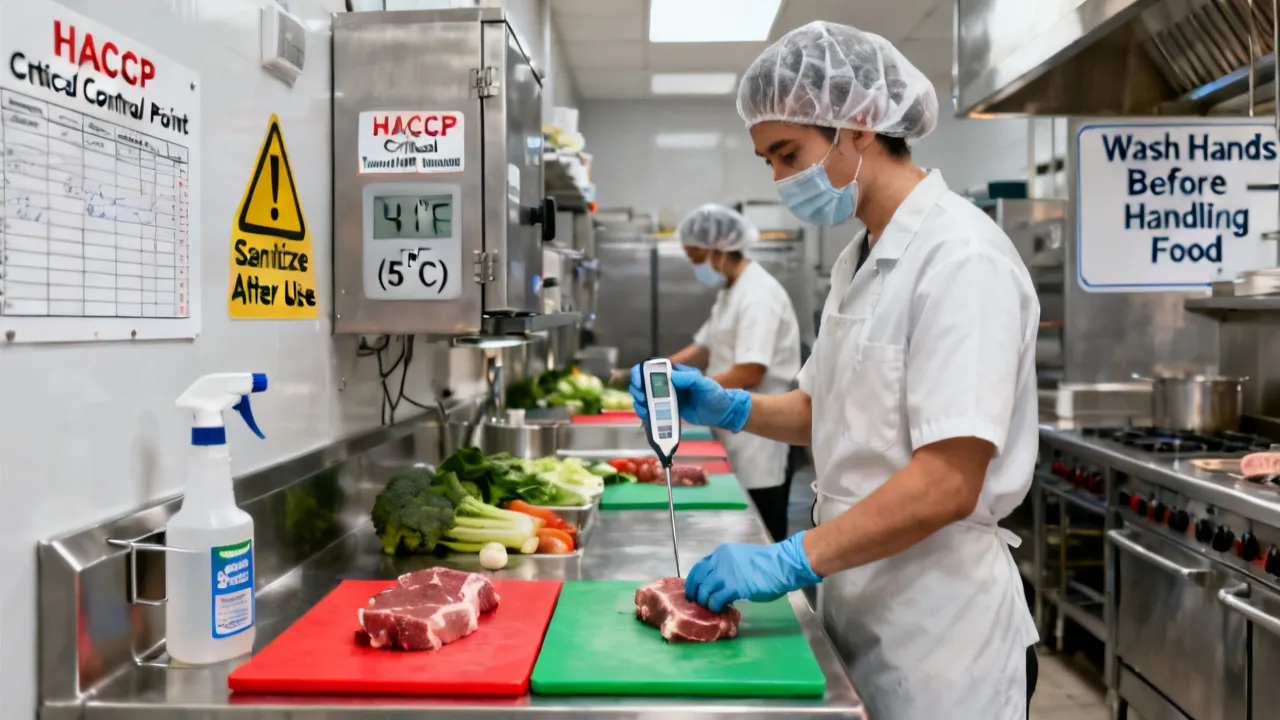
CCPs are stages in the production process where control measures can be applied to prevent, eliminate, or reduce food safety hazards to acceptable levels. Identifying these points is crucial for implementing effective controls that safeguard public health. For example, during cooking, temperature serves as a critical control point: ensuring the food reaches a specific temperature can effectively kill harmful bacteria.
Employing tools such as flowcharts can be helpful in visually mapping out the production process, making it easier to pinpoint where hazards occur and where control measures should be applied. Furthermore, each identified CCP should be evaluated based on its ability to mitigate the risks outlined during the hazard analysis, determining which points require more stringent monitoring.
3. Establishing Critical Limits
Every CCP has specific critical limits, such as temperature, time, pH level, and moisture content, that must be met to ensure hazard control. These limits are scientifically determined thresholds that distinguish between safe and unsafe conditions. For instance, cooking chicken to an internal temperature of 75°C (165°F) is crucial in killing harmful bacteria like Salmonella and ensuring the meat is safe for consumption.
In some circumstances, critical limits can include specific timeframes for how long a food product is allowed to remain in a certain temperature zone (such as refrigeration). Establishing these limits requires a deep understanding of food safety protocols and relevant regulations that govern food practices within different jurisdictions.
4. Monitoring CCPs
Continuous or periodic observations and measurements are essential to verify that each CCP stays within its established critical limits. Monitoring is fundamental to HACCP’s success, as it acts as an early warning system, allowing for immediate corrective actions should deviations occur. Effective monitoring may involve physical inspections, automated systems, or sensory evaluations—ensuring that the data collected is reliable and valid over time.
In every HACCP plan, it's important to define who will be responsible for monitoring each CCP, what tools will be used, and the frequency of monitoring. Such detailed protocols ensure that accountability is maintained, and issues can be swiftly identified and remedied.
5. Establishing Corrective Actions
When monitoring indicates deviation from critical limits, corrective actions must be in place to rectify the situation promptly and ensure safety. Corrective actions should be predefined and tailored to the specific type of deviation encountered. This could involve reprocessing, discarding products, or initiating recalls—any step necessary to mitigate the risk to consumers.
Documenting corrective actions taken is crucial; it serves as a record of compliance and helps demonstrate due diligence during audits and inspections. Retaining records also aids in refining HACCP plans, as understanding the factors behind past deviations can improve future practices.
6. Verification Procedures
The entire HACCP system requires verification to confirm that it is effective and functioning as intended. Regular audits, reviews, and tests are part of this verification process. Verification confirms that HACCP plans are adhered to and that monitoring records are maintained accurately.
Verification might involve reviewing the overall HACCP plan to ensure it remains relevant to the current operational processes or performing microbial testing on end products to ensure safety measures meet standards. Independent third-party audits can also serve as an objective measure to assess the effectiveness of the HACCP plan and bolster stakeholder confidence.
7. Record-Keeping and Documentation
Maintaining accurate and up-to-date records is vital for each element of the HACCP system. Documentation reflects the efficacy of the HACCP plan and provides traceability in case of issues. Records should include hazard analyses, CCP monitoring, deviations and corrective actions taken, and verification activities carried out.
Routinely updating and reviewing documentation allows organizations to assess the success of their HACCP implementation continuously. Furthermore, robust record-keeping can facilitate better communication among various team members, all contributing to the overarching goal of food safety.
| HACCP Principle | Description |
|---|---|
| Hazard Analysis | Identification and evaluation of potential hazards. |
| CCPs | Points in the process where control is essential to prevent hazards. |
| Critical Limits | Specifications that must be met to control a CCP. |
| Monitoring | Observations to ensure CCPs remain within limits. |
| Corrective Actions | Steps taken when deviations occur. |
| Verification | Activities to confirm the HACCP’s efficacy. |
| Record-Keeping | Documentation to track the HACCP plan’s performance. |
Importance of HACCP in the Food Industry
The implementation of HACCP is now considered essential across many segments of the food industry worldwide. It not only aids in compliance with food safety regulations but also builds consumer trust by minimizing the risk of producing unsafe food products. Businesses that effectively apply HACCP principles typically experience fewer recalls, an elevated reputation, and ultimately, a more robust bottom line.
Public health is directly tied to effective food safety practices, making HACCP vital. Non-compliance with food safety standards can result in severe repercussions, including foodborne illnesses that can have devastating effects on consumers. By utilizing HACCP, organizations can proactively safeguard against potential hazards and produce safe food that is both consumer-friendly and industry-compliant.
Moreover, consumers today are increasingly aware of the safety measures in food production. They often seek transparency in food sourcing, processing, and handling. Implementing a HACCP system provides businesses with a robust method to verify and communicate the safety of their food products, cultivating consumer trust and loyalty.
Challenges and Considerations in HACCP Implementation
While HACCP is a robust system, its successful implementation requires commitment across all levels of an organization. Challenges can arise, such as adequate training for staff, the complexity of verification procedures, and initial setup costs. Organizations must invest in training programs to ensure that employees understand HACCP principles, as well as the importance of their roles in maintaining food safety.
Another challenge reflects the technological aspects of food production. Changes in food technology and the introduction of new food safety laws and regulations can necessitate updates to existing HACCP plans. Thus, organizations must be prepared to continuously review and adapt their HACCP strategies to ensure compliance with current practices and emerging trends.
However, the investments necessary to implement HACCP effectively often yield substantial returns. Improved food safety and a reduced risk of contamination incidents not only safeguard public health but also enhance brand reputation and customer satisfaction. Ultimately, the benefits of establishing a solid HACCP plan will outweigh the initial challenges faced during implementation.
Practical Steps for Implementing HACCP
To implement HACCP successfully, organizations should follow a series of practical steps. Begin by forming a HACCP team, drawing from diverse departments for a comprehensive perspective. A multidisciplinary team ensures that the plan is thorough and considers all potential hazards associated with different operations.
Following team formation, conduct a preliminary hazard assessment to scope potential risks thoroughly. Each team member should contribute their insights based on their department’s expertise, helping to create a well-rounded overview of all hazards present in the production processes.
Once the initial hazards are assessed, outline your HACCP plan tailored to specific operational needs. The plan should detail the identified hazards, CCPs, critical limits, monitoring actions, corrective measures, verification steps, and record-keeping practices. Regular reviews and updates of the system help adapt to new challenges and technological advancements.
It is equally important to engage with employees frequently through training sessions and workshops, reinforcing the significance of their role in food safety. Ongoing communication about the HACCP system maintains awareness and encourages a culture of food safety that extends throughout the organization. Finally, consider conducting regular audits to assess the plan's effectiveness, ensuring that it is well-integrated into daily operations.
FAQs
- What is the primary purpose of HACCP? The primary purpose of HACCP is to prevent food safety hazards through a precise and systematic approach to their control. By identifying and managing potential risks, it ensures the production of safe food products. This proactive system is designed to protect public health and instill confidence in consumers.
- Is HACCP mandatory? HACCP is mandatory in many countries for certain sectors of the food industry, such as seafood and juice production in the United States. However, even when not mandatory, it is highly recommended for its effectiveness in ensuring food safety. Many clients, notably in international trade, require HACCP certification as a baseline for conducting business, thus influencing its application beyond legal obligations.
- What types of hazards does HACCP address? HACCP addresses biological (e.g., bacteria, viruses), chemical (e.g., allergens, additives), and physical (e.g., metal fragments, glass) hazards that can compromise food safety. By analyzing and controlling these hazards, HACCP strives not only to meet regulatory compliance but also to enhance overall food quality.
- Can HACCP be applied to small businesses? Yes, HACCP can be implemented in small businesses and is equally beneficial for them. Tailoring the principles to fit the scale of operations allows even small food-producing entities to adopt effective food safety practices. Consultation with local health authorities or food safety experts can provide guidance in forming a HACCP plan suitable for their specific circumstances.
- How often should a HACCP plan be updated? A HACCP plan should be reviewed and updated periodically or whenever there is a significant change in the production process, equipment, ingredients, or any regulatory updates. Frequent reviews help to ensure that the plan remains relevant and effective in addressing new food safety challenges.
Ensuring the success and reliability of a HACCP system requires dedication, continuous education, and an ingrained culture of safety prioritization within any food-related organization. As the food industry continues to evolve in complexity, establishing and maintaining a robust HACCP system is not just a best practice but an essential commitment to safeguarding public health and enhancing one's operational credibility.
In conclusion, the importance of HACCP in today's global food landscape cannot be overstated. As consumer awareness of food safety increases, and regulations surrounding food production become more stringent, a well-implemented HACCP system becomes a vital part of producing safe, high-quality food. By proactively identifying and managing potential food safety hazards, the food industry can help enhance public health, foster trust, and achieve long-term business success.
-
1

Maximizing Benefits of Solar Panels: Costs and Energy Efficiency
-
2
Maximizing Your Purchase: Ram 1500 Deals and Towing Capacity
-
3
Affordable Stair Lifts for Seniors: A Comprehensive Guide
-
4
The Ultimate Guide to Lab-Grown Diamonds: Ethical & Cost-Effective Choices
-
5
The Ultimate Guide to Weight Loss Injections, Metabolism, and Appetite Suppression