Peony Ants and Their Unique Role
Peony ants play an intriguing role in the blooming process of peonies. Often misunderstood as harmful, these ants are actually harmless to the plant and contribute to its well-being. This article delves into the symbiotic relationship between peonies and ants, exploring why these insects are crucial for peony gardens and addressing common misconceptions about their interaction.
Understanding Peony Ants
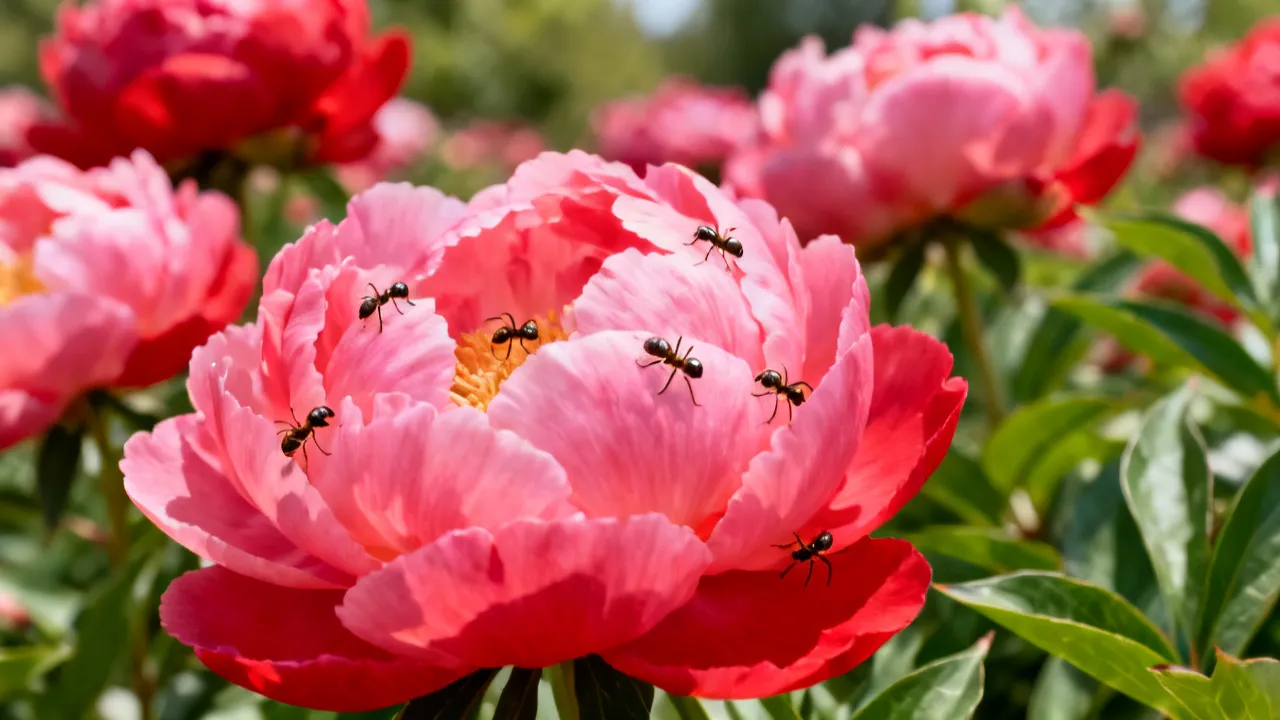
Peony ants are often seen darting around the vibrant petals of peony flowers. While many gardeners worry that these ants might harm their cherished blossoms, the reality is quite the opposite. These ants are not only harmless but also play a key role in helping peonies thrive. When you take a closer look at this relationship, you’ll discover an intricate dance of nature where plants and insects collaborate for mutual benefit.
At first glance, the presence of ants on peony buds may seem alarming. However, these insects are actually benefiting both the plant and themselves. Peony buds secrete a sweet nectar that attracts ants. This nectar, which contains a rich concentration of carbohydrates, serves as a delectable treat for the ants. In return, their activity keeps the buds clean from pests like aphids, which can be detrimental to the health of the flowers. This mutualistic relationship can be observed in many gardens, where peonies and ants coexist harmoniously, creating a lively ecosystem filled with natural interactions.
The Symbiotic Relationship
The interaction between peony ants and peonies is a classic example of mutualism, a type of symbiotic relationship where both parties benefit. Ants protect peony buds by warding off harmful insects that might otherwise damage them. This defense mechanism is crucial, especially when the peony is in its bud stage and is particularly vulnerable to pests. During this time, aphids and other sap-sucking insects may try to access the nutrient-rich sap within the buds. The presence of ants serves as a natural deterrent, ensuring that the peonies can grow to their fullest potential without stress from these invaders.
Moreover, the ants benefit from the peonies as a food source. The nectar produced by peony buds is rich in sugars, providing ants with the energy they need. In addition to the nectar, ants may also harvest honeydew, a sticky substance secreted by aphids, which adds another layer of sweetness to their diet. While feeding, ants inadvertently protect the plant by patrolling for predators, thus ensuring that the peonies can bloom undisturbed. This cycle underscores the importance of biodiversity in a garden; a healthy variety of species contributes to greater ecological stability.
Common Misconceptions
Despite the clear benefits, many still remove ants from their gardens due to misunderstandings about their presence. It's important to debunk myths surrounding ants and peonies:
- Myth 1: Ants are harmful to peonies - In reality, ants do not damage peonies; they merely feast on the nectar. Their relationships with plants like peonies are entirely benign.
- Myth 2: Ants are needed to open peony flowers - While ants help keep the buds healthy, peonies open on their own regardless of ant presence. This process occurs naturally when the conditions of light and temperature are right.
- Myth 3: Ants cause infestations - Ants are unlikely to overrun gardens simply by being on peonies. Their presence is usually an indication of a well-balanced ecosystem.
Implementing Ant-Friendly Practices in Your Garden
When cultivating peonies, it's beneficial to embrace the role of ants in your garden rather than trying to remove them. Here are some practices to consider:
- Welcome ants by allowing them access to peony buds. This can be as simple as avoiding practices that deter them, such as using harsh chemicals.
- Avoid using pesticides near peonies during budding to maintain natural pest control. Chemical pesticides can harm beneficial insects like ants, thereby upsetting the natural balance.
- Observe the ant activity as an indicator of a healthy garden ecosystem. Seeing ants busily patrolling your plants can be a reassuring sign that your garden is thriving.
- Plant a variety of flowers that produce nectar and pollen. This attracts not just peony ants, but a wide range of beneficial insects, contributing further to the ecological health of your garden.
Understanding Peony Varieties and Ant Interactions
Peonies come in several varieties, including herbaceous, tree, and intersectional peonies. Each type has its own unique characteristics and growth preferences. Understanding the specific variety you’re growing can enhance your gardening success and ensure a beneficial interaction with ants.
Herbaceous Peonies
Herbaceous peonies die back to the ground each fall, re-emerging in spring. These are the most common type of peony and are well known for their large, showy blooms. Their buds are particularly attractive to ants which crawl over them, attracted by the sweet nectar. Their resilience and ability to thrive in various conditions means that gardeners often cultivate them in many settings.
Tree Peonies
Tree peonies, on the other hand, are woody perennials with thick, sturdy stems. They tend to bloom earlier than herbaceous peonies and produce large flowers very similar to those of their herbaceous counterparts. Because their buds are often exposed, ants can easily access their nectar. The relationship with tree peonies is beneficial, as the ants can help prevent potential infestations of aphids, which are particularly drawn to young buds.
Intersectional Peonies
Intersectional peonies, also known as Itoh peonies, are hybrids between tree and herbaceous types. Known for their unique flower forms and long-lasting blooms, they are a gardener’s favorite. The ants are equally attracted to these buds, providing their protective benefits similar to both types. Due to their hybrid nature, intersectional peonies can be ideal for gardeners looking to support a diverse insect population.
Encouraging Beneficial Insects in Your Garden
While ants are busy protecting your peonies, there are many other beneficial insects that can enhance the health of your garden. Here are a few you might want to attract:
- Ladies’ Beetles: These beetles are natural predators of aphids. By attracting them through companion planting, you can further reduce pest populations.
- Green Lacewings: Lacewing larvae are often referred to as “aphid lions” due to their appetite for aphids. Encouraging plants that attract lacewings can lead to better control of pest populations in your garden.
- Parasitic Wasps: These tiny wasps lay their eggs on or inside pest species such as aphids. Their presence can drastically reduce aphid numbers and is another method of natural pest control.
- Butterflies and Pollinators: Incorporating flowers that attract butterflies and other pollinators can enhance the productivity of your peonies while promoting a vibrant garden ecosystem.
Maintaining a Balanced Ecosystem
Achieving a balance in your garden ecosystem goes beyond just managing ants and aphids. It involves creating an environment that supports various life forms. Here are some additional strategies gardeners can adopt:
- Diversity of Plants: Include a range of flowering plants that bloom at different times of the year. This ensures a continuous source of food for not just ants but a variety of beneficial insects.
- Natural Mulching: Use organic mulches like straw or wood chips. Mulch not only retains moisture but also provides habitat for beneficial insects, promoting a thriving ecosystem.
- Organic Practices: Shift towards organic gardening practices that mitigate harm to beneficial insects. Incorporating less chemical usage and focusing on natural amendments improves soil health.
- Companion Planting: Pairing certain plants can help attract beneficial insects or deter pests. For instance, planting marigolds can repel aphids while attracting pollinators.
FAQs
1. Do ants benefit all types of plants like they do peonies?
Not necessarily. While ants benefit peonies by deterring pests, their presence on other plants might not always have the same positive effect. Different plant species attract different insect communities, and not all of them have mutualistic relationships with ants.
2. If ants don't aid the blooming process, why promote their presence?
While ants don't physically assist in blooming, their protective role makes their presence beneficial by reducing pest damage to the bud. Moreover, ants help maintain a balanced ecosystem which can result in healthier overall garden conditions.
3. How can I manage ants if they start becoming a problem?
Monitor their activity. If they begin invading home spaces, consider non-toxic barriers such as diatomaceous earth or cinnamon, which deter ants without harming beneficial insects in the garden. Additionally, regularly inspecting plants can help you catch any potential pest issues before they escalate.
Conclusion
Understanding and embracing the role of peony ants can transform gardening practices, leading to healthier peonies and a more harmonious ecosystem. By recognizing these beneficial relationships and implementing mindful gardening techniques, gardeners can cultivate flourishing peony blooms while maintaining ecological balance. The synergy between plants and insects is a testament to nature's complexity, reminding us of the beauty of interconnected ecosystems in our own backyards.
As you tend to your peonies, take a moment to appreciate the busy ants bustling about. They offer a fascinating glimpse into the intricacies of nature, underscoring how even small creatures can have a significant impact on the success of your garden. With a little understanding and care, you can create a vibrant landscape that thrives on mutualism, benefiting not only your beloved flowers but the entire garden ecosystem.
-
1

Maximizing Benefits of Solar Panels: Costs and Energy Efficiency
-
2
Maximizing Your Purchase: Ram 1500 Deals and Towing Capacity
-
3
Affordable Stair Lifts for Seniors: A Comprehensive Guide
-
4
The Ultimate Guide to Lab-Grown Diamonds: Ethical & Cost-Effective Choices
-
5
The Ultimate Guide to Weight Loss Injections, Metabolism, and Appetite Suppression