The Symbiosis of Peony and Ants
This in-depth article explores the intriguing relationship between peonies and ants, which is a noteworthy example of mutualism in nature. Peonies are perennial plants known for their large, fragrant flowers, and they attract ants through the nectar they produce. Ants, in turn, offer protection to the peonies from various pests, creating a harmonious natural partnership.
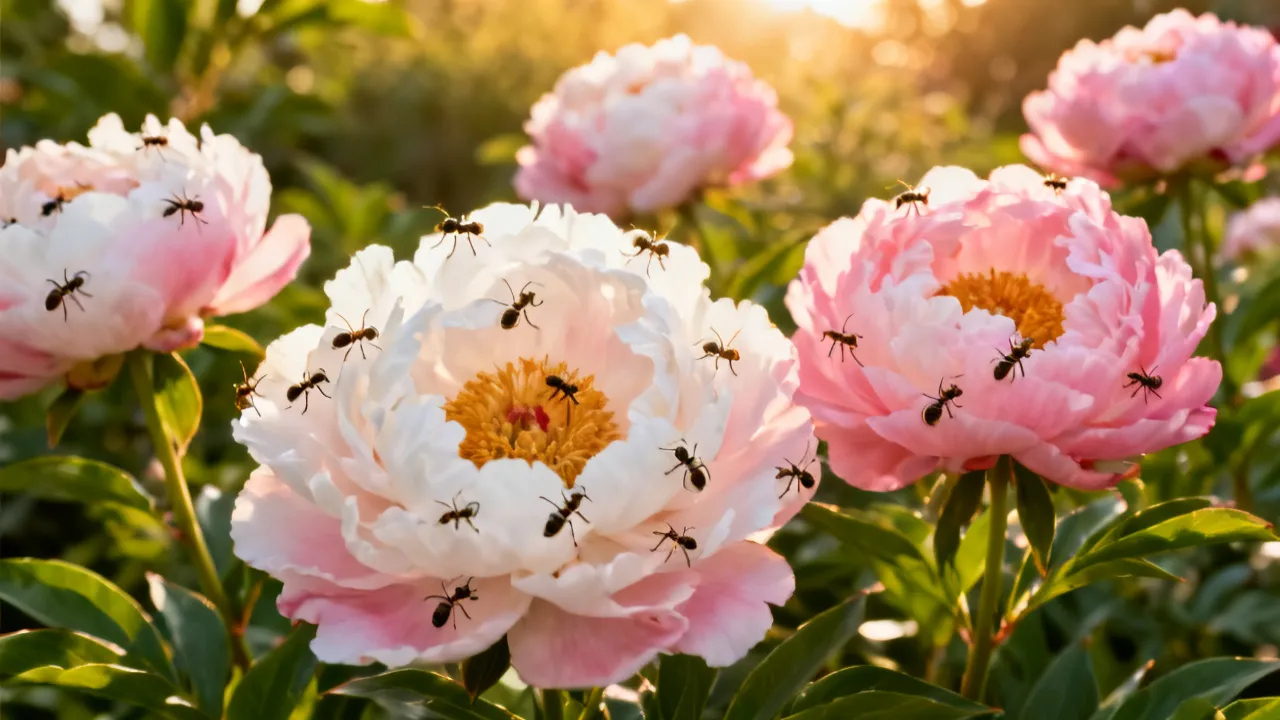
The Unique Relationship between Peonies and Ants
The relationship between peonies and ants is a fascinating example of mutualism, where both organisms benefit from each other's presence. Peonies, with their lush blooms and sweet nectar, attract ants that are often seen bustling around the plant. The presence of ants on peonies is not merely coincidental; it is a crucial part of their ecosystem that enables peonies to thrive while offering ants a sweet sap treat. Exploring this relationship reveals the intricate balance that exists within nature, showcasing how different species interact in profound and often unexpected ways.
Understanding Peonies
Peonies are perennial flowering plants that bloom in late spring and are renowned for their exquisite beauty and variety. These plants can live for many years, some exceeding thirty years, with proper care and attention. Peonies thrive in well-drained soil with optimal sun exposure, which allows their robust root systems to develop fully. They come in several forms and colors, ranging from pure white and soft pink to deep red, making them a favorite in gardens around the world.
Beyond their stunning flowers, peonies have a rich history and are often associated with romance and prosperity in various cultures. For example, in Chinese culture, peonies symbolize wealth, good fortune, and high social status, leading to their nickname, the "king of flowers." Additionally, these majestic blooms are often featured in art and literature, reflecting their cultural significance and aesthetic appeal.
Interestingly, a single peony plant can produce many blooms, depending on its age and health. Gardeners often find joy in caring for peonies, as they can be relatively low-maintenance after the initial planting. These plants prefer cooler climates but can adapt to a wide range of conditions, making them a popular choice for gardens in diverse geographical areas.
The Role of Ants in Peony Ecology
Ants are drawn to peonies due to the sweet nectar that the unopened flower buds secrete. This nectar is a rich source of carbohydrates for ants, which is why they are often seen swarmingly active on peony plants. In exchange for this food source, ants provide essential services that benefit the peony plant, such as protection from herbivorous pests that might harm the buds.
When ants visit peonies to obtain the nectar, they are not only nourishing themselves but also acting as guardians of the flowers. Their presence deters herbivorous insects like aphids, which can cause significant damage to the plant by sucking out its sap. In this way, ants play a vital role in maintaining the health and vitality of peonies, ensuring they can bloom beautifully during the growing season.
Moreover, studies have shown that the presence of ants can significantly reduce the populations of these harmful pests. For instance, when researchers monitored peony plants with and without ants, they found that those with ants had a much lower incidence of aphid infestation. This natural pest control is a testament to the importance of understanding these ecological relationships and how they affect plant health.
| Aspect | Peony | Ants |
|---|---|---|
| Role | Provides nectar | Offers protection |
| Benefit | Protection from pests | Source of nourishment |
| Involvement | Buds secrete nectar | Guard against herbivores |
Gardening Considerations: Encouraging Natural Alliances
Gardeners looking to cultivate peonies will find understanding this natural alliance beneficial. Firstly, ensure that the peonies are planted in a favorable environment—well-drained soil and ample sunlight. Peonies prefer a sunny location with at least six hours of direct sunlight per day to thrive, promoting robust growth and abundant blooming. Ants play their part by visiting the plants naturally, and gardeners can encourage this relationship by creating a habitat conducive to both species.
To cultivate this dynamic relationship, avoid the use of pesticides and chemical treatments that could harm the ant population. Utilizing organic gardening practices, such as introducing beneficial insects and promoting biodiversity, can help maintain a healthy ecosystem within the garden. By fostering an inviting environment for ants, gardeners benefit from their natural pest control abilities without harming the peonies.
Additionally, ensure that the peonies receive adequate water, particularly during dry spells. However, it's important to avoid waterlogging, as this can lead to root rot and negatively impact both the peonies and the ants that rely on them. Mulching around the base of the plants can also help to retain moisture and suppress weed growth, further supporting the overall health of the peonies.
It’s also worth noting that the specific variety of peonies may attract different species of ants. For instance, some gardeners have observed that certain types of herbaceous peonies attract more ants than others. Experimenting with various peony species might not only enhance the visual appeal of a garden but also encourage diverse ant populations, enriching the overall ecological interactions present in the garden.
Myth-Busting: Do Ants Help Peonies Bloom?
Though ants aid peonies by protecting them, a common myth is that ants are necessary for peonies to bloom. In reality, ants do not directly contribute to the opening of peony buds. Instead, the nutrients they collect aid their colony. Recognizing this distinction is important for anyone curious or concerned about the presence of ants on their plants.
The opening of peony buds is primarily a response to environmental factors such as temperature and moisture; thus, the ants’ role is one of protection rather than facilitation of blooming. This understanding can alleviate concerns among gardeners who mistakenly believe that the presence of ants is critical to the flowering process of their peonies.
In addition, some gardeners may worry about the presence of ants leading to damage caused by sap-sucking insects like aphids. While it's true that ants protect aphids due to their sugary secretions, ants do not directly make the peonies bloom. Instead, their role is akin to security guards, monitoring the area for potential threats while they simultaneously nourish themselves. When gardeners focus on the health of their peonies through proper care and support, the concern about ants becomes substantially diminished.
FAQs
- Do peonies attract all types of ants?
Not all ant species are attracted, but generally, sugar-loving varieties like those in the Formica family are drawn to peony nectar. These ants are more likely to form colonies nearby, providing mutual benefits to both species. - Can ants damage peony plants?
Generally, ants do not harm peony plants. Instead, they help keep harmful pests at bay, contributing to the plant's overall health. By attacking or driving away pests, ants protect the peonies from damage, ensuring that they can grow strong and healthy. - Should I remove ants from my peonies?
It is not necessary to remove ants as they do not damage the plant but help protect it. Removing them might not provide any added benefit to the peonies. Instead, consider adopting a wait-and-see approach; if pest populations increase, the ants will likely continue their guarding duties, safeguarding the plants. - What other insects are beneficial for peonies?
Beneficial insects such as ladybugs, lacewings, and parasitic wasps can help control aphids and other pests. By attracting a diverse range of beneficial species to your garden, you enhance the natural balance and support the flourishing of your peonies. - How can I encourage a healthy ant population in my garden?
Planting a variety of flowering species nearby can help provide additional nectar sources for ants. Creating patches of untreated soil and avoiding the use of pesticides will foster a welcoming environment for ants and other beneficial insects, enhancing their populations.
Conclusion: Embracing Nature's Harmony
The relationship between peonies and ants is a beautiful demonstration of nature's balance, where plants and insects support one another in harmonious coexistence. By understanding this partnership, gardeners and nature enthusiasts can cultivate peonies more effectively while preserving their natural environmental integrity. Encouraging this synergy not only enhances a garden's aesthetic appeal but also promotes ecological sustainability.
In cultivating peonies, it’s vital to acknowledge the role of ants and to appreciate the interconnectedness of garden ecosystems. The protection offered by ants can significantly influence peony health and longevity, leading to more spectacular blooms. By recognizing and respecting this relationship, gardeners empower themselves to create thriving ecosystems that echo the wonders of the natural world.
Furthermore, extending the appreciation of these dynamics to a broader context may lead to more environmentally conscious gardening practices. Promoting biodiversity, preserving natural habitats, and minimizing chemical use not only benefit individual plants but also foster a healthier ecological system overall. Gardening becomes more than just a hobby; it transforms into a commitment to ecological stewardship, enhancing the beauty of our surroundings while caring for our planet.
Ultimately, the vibrant ecosystem established around peonies can inspire individuals to explore further the beauties of nature. By witnessing the relationships that play out in their backyards, gardeners can become novices in the art of ecosystems, deepening their connection to the environment and contributing to a legacy of harmony within nature.
-
1

Maximizing Benefits of Solar Panels: Costs and Energy Efficiency
-
2
Maximizing Your Purchase: Ram 1500 Deals and Towing Capacity
-
3
Affordable Stair Lifts for Seniors: A Comprehensive Guide
-
4
The Ultimate Guide to Lab-Grown Diamonds: Ethical & Cost-Effective Choices
-
5
The Ultimate Guide to Weight Loss Injections, Metabolism, and Appetite Suppression