Understanding Commodity Market Dynamics
This article explores the concept of commodities, essential goods that are traded in significant quantities globally. Commodities include products like oil, gold, and grains, and their trade significantly impacts global economies. Understanding commodities involves examining their types, pricing factors, and trading mechanisms, which are critical for investors navigating these markets.
Introduction to Commodities
Commodities are fundamental goods that are standardized and traded in substantial volumes across global markets. They comprise a wide range of products, generally divided into two main categories: hard commodities, which include natural resources such as oil, gold, and copper; and soft commodities, which are agricultural products like wheat, coffee, and sugar. Commodities play a crucial role in the global economy as they are integral to manufacturing, food production, and energy. The trading and management of these commodities affect not only economies but also social structures, community livelihoods, and international relations.
The significance of commodities extends beyond economic measures; they often serve as indicators of broader global conditions. In an interconnected world, the price trends of basic goods can influence inflation rates, impact employment levels in various sectors, and even shape policy decisions made by governments. The importance of commodities in everyday life cannot be overstated, as nearly every person on the planet relies on them in some form, whether directly through food and energy consumption or indirectly through their effects on the economy.
The Nature of Commodity Pricing
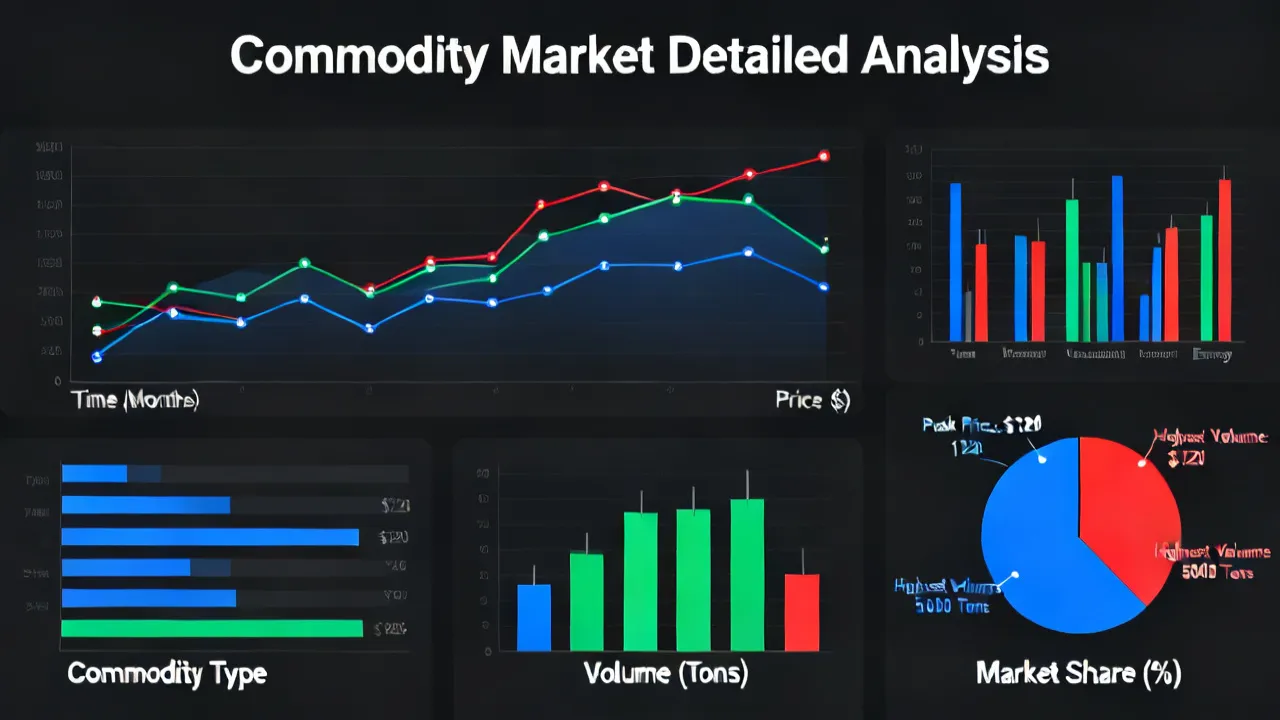
Prices in the commodity markets are influenced by various factors. These range from supply and demand dynamics to geopolitical tensions, technological advancements, and changes in economic policies. For example, the fluctuation in oil prices is often attributed to geopolitical tensions in oil-rich regions, economic sanctions, and major infrastructural developments in energy transportation. Furthermore, long-term trends such as shifts in consumer preference and the rise of alternative energy sources can create significant price volatility.
Factors Influencing Commodity Prices
Commodity prices are not static; they fluctuate due to a host of reasons:
- Supply and demand: When supply diminishes due to production cuts or adverse weather conditions, prices tend to rise. Conversely, a supply glut can drive prices down. An example can be seen in the oil market when OPEC (Organization of the Petroleum Exporting Countries) decides to cut production to stabilize prices, which can lead to a substantial increase in oil prices globally.
- Geopolitical events: Political instability in a commodity-producing country can disrupt exports, affecting prices globally. Events such as conflicts in the Middle East or trade tensions between major economies can create shockwaves in the commodity markets.
- Currency fluctuations: Since commodities are typically traded in U.S. dollars, the strength or weakness of the dollar can impact commodity prices. A stronger dollar generally makes commodities more expensive in other currencies, often leading to reduced demand and lower prices.
- Weather patterns: Particularly for agricultural commodities, weather can dramatically impact supply and, consequently, prices. For instance, a drought in a major wheat-producing region can drastically decrease supply, leading to higher prices in global markets.
- Technological advancements: Innovations in extraction and production technologies can affect supply levels. For instance, the advent of hydraulic fracturing, or "fracking," significantly boosted U.S. oil production, leading to lower oil prices in recent years.
Commodity Markets and Trading
The trading of commodities is conducted on exchanges around the world, with the most notable being the New York Mercantile Exchange, the London Metal Exchange, and the Chicago Board of Trade. These exchanges provide a platform for buying and selling futures contracts, which are agreements to purchase or sell a commodity at a predetermined price at a specified time in the future. Futures contracts serve as an essential tool for managing risk associated with price fluctuations. By locking in prices, traders can hedge against future price movements, providing a level of security in an uncertain market.
Key Commodity Exchanges
| Exchange | Location | Specialization |
|---|---|---|
| New York Mercantile Exchange (NYMEX) | New York, USA | Energy products like oil and natural gas |
| London Metal Exchange (LME) | London, UK | Base metals like copper and aluminium |
| Chicago Board of Trade (CBOT) | Chicago, USA | Agricultural commodities like corn and wheat |
Understanding trading strategies is essential for participants in commodity markets. Spot trading, futures contracts, options, and exchange-traded funds (ETFs) are some common methods used by traders to engage with these markets. Spot trading involves the immediate exchange of commodities, while futures and options contracts allow for speculating on price changes without the direct handling of the physical goods. ETFs have gained popularity as they offer investors a more manageable way to invest in a diversified range of commodities without dealing with the complexities of futures trading.
Challenges in Commodity Trading
While trading commodities presents numerous opportunities, it also comes with specific challenges. Market volatility is a prominent risk; for instance, sudden geopolitical events can trigger rapid price changes. Additionally, traders must navigate regulatory environments that vary by region and commodity type, adding complexity to international trading. Moreover, differences in quality, delivery logistics, and pricing transparency can create further challenges for traders, requiring robust risk management strategies to mitigate potential losses.
Commodities as an Investment
Commodities can serve as a hedge against inflation and a means of diversifying an investment portfolio. The inclusion of commodities in an investment strategy can reduce overall volatility due to their lack of correlation with traditional asset classes like stocks and bonds. During periods of economic uncertainty, commodities often retain their value or even appreciate, making them an attractive option for risk-averse investors.
Investors may choose to gain exposure to commodities through direct investment in physical goods, futures contracts, or commodity-focused mutual funds and ETFs. Each of these investment vehicles offers different characteristics in terms of risk, liquidity, and management. For instance, owning physical commodities like gold requires considerations around storage and security, whereas futures contracts require substantial market knowledge and can entail greater risks, including the possibility of margin calls.
Risk Management Strategies
Effective risk management is critical in commodity investment, and investors can utilize several strategies. Diversification, as previously mentioned, is one effective avenue to spread risk. In addition, using futures and options can help investors hedge against adverse price movements. Setting stop-loss orders is another tactic that can limit potential losses by automatically selling a position when it reaches a predetermined price.
Furthermore, staying informed about market trends, technological changes, and geopolitical developments can provide investors with insights to make informed decisions, allowing them to navigate the complex landscape of commodity investments. Analyzing historical data, understanding seasonal trends, and being aware of supply chain dynamics are vital components of a well-rounded investment strategy.
Future Trends and Outlook
The future of commodity markets is influenced by shifting consumption patterns, technological advancements, and the global push towards sustainable energy solutions. For instance, the growing demand for electric vehicles is expected to impact metals like lithium and cobalt, essential for battery production. As these technologies evolve, commodity markets will likely respond to new supply and demand dynamics, fundamentally altering current trading practices.
Additionally, as nations strive to meet climate targets, the demand for renewable energy sources could redefine energy commodity markets. Transitioning from fossil fuel dependency to cleaner energy alternatives represents both a challenge and an opportunity for investors in the commodities sector. The growth of solar power, wind energy, and hydrogen fuel is reshaping price expectations and investment strategies, driving innovation in extraction and production methodologies.
The Impact of Globalization and Trade Policies
Globalization continues to reshape the commodity landscape, influencing the flow of goods and capital around the world. Trade policies and tariffs can significantly affect commodity prices, as seen in recent U.S.-China trade tensions, which created uncertainty in agricultural markets. Furthermore, as emerging economies grow, their demands for various commodities may lead to reshuffling in trade dynamics, impacting global supply chains and pricing structures.
Technological Innovations
Emerging technologies such as blockchain and artificial intelligence are poised to revolutionize commodity trading. Blockchain can enhance transparency and efficiency in supply chains, potentially lowering transaction costs and increasing trust between parties. AI is expected to enable sophisticated data analysis, allowing traders to identify patterns, forecast prices, and optimize portfolio management in real-time.
FAQs
- What are the most traded commodities? Oil, gold, natural gas, and agricultural products like soybeans and wheat are some of the most traded commodities globally.
- How does commodity trading work? Commodity trading typically involves the buying and selling of futures contracts on regulated exchanges, which helps manage risk associated with price volatility.
- Why are commodities considered a good hedge against inflation? Commodities tend to rise in value during inflationary periods, making them an effective hedge to preserve purchasing power.
- What are some examples of hard and soft commodities? Examples of hard commodities include metals like gold and silver, as well as energy sources such as oil and gas. Soft commodities include products like coffee, cotton, sugar, and various grains.
- How can I invest in commodities? You can invest in commodities directly by purchasing physical goods, through futures contracts, by investing in ETFs or mutual funds dedicated to commodities, or by purchasing shares in companies involved in commodity production.
- What risks are associated with commodity investing? Risks include market volatility, geopolitical tensions, regulatory changes, and price fluctuations due to supply and demand imbalances. Investors should perform due diligence and explore risk management strategies for effective investing.
Conclusion
Understanding the dynamics of commodity markets is crucial for investors and businesses alike. As these markets are influenced by a myriad of factors ranging from macroeconomic trends to geopolitical events, staying informed about these elements can significantly impact one's investment and trading decisions. By delving deeper into commodity trading strategies and keeping abreast of market trends, stakeholders can better navigate the complexities of these essential markets.
As we look towards the future, it becomes increasingly clear that commodities will continue to play an important role in our lives—shaping economies, energy solutions, and technological advancements. For investors, the key to success will lie in understanding not only the fundamental dynamics of supply and demand but also the broader societal trends that influence these essential assets, preparing them to seize opportunities while mitigating risks in an ever-evolving marketplace.
Through careful research, strategic planning, and a willingness to adapt to changing market conditions, investors can effectively harness the power of commodities to build wealth and secure financial futures. The path to achieving success in commodity markets is multifaceted, requiring a blend of proactive engagement, analytical skill, and emotional fortitude. The rewards for those who dedicate themselves to mastering this complex field are potentially significant, and the journey of exploration is bound to yield valuable insights and opportunities for growth.
-
1

Maximizing Your Purchase: Ram 1500 Deals and Towing Capacity
-
2
Maximizing Benefits of Solar Panels: Costs and Energy Efficiency
-
3
Affordable Stair Lifts for Seniors: A Comprehensive Guide
-
4
The Ultimate Guide to Lab-Grown Diamonds: Ethical & Cost-Effective Choices
-
5
The Ultimate Guide to Weight Loss Injections, Metabolism, and Appetite Suppression