Understanding the Commodity Market Dynamics
The commodity market serves as a cornerstone in global trade, facilitating the exchange of raw materials such as metals, energy, and agricultural products. Commodities are fundamental goods that are interchangeably bought and sold across markets worldwide. Understanding their fluctuations and trading mechanisms is crucial for investors and businesses.
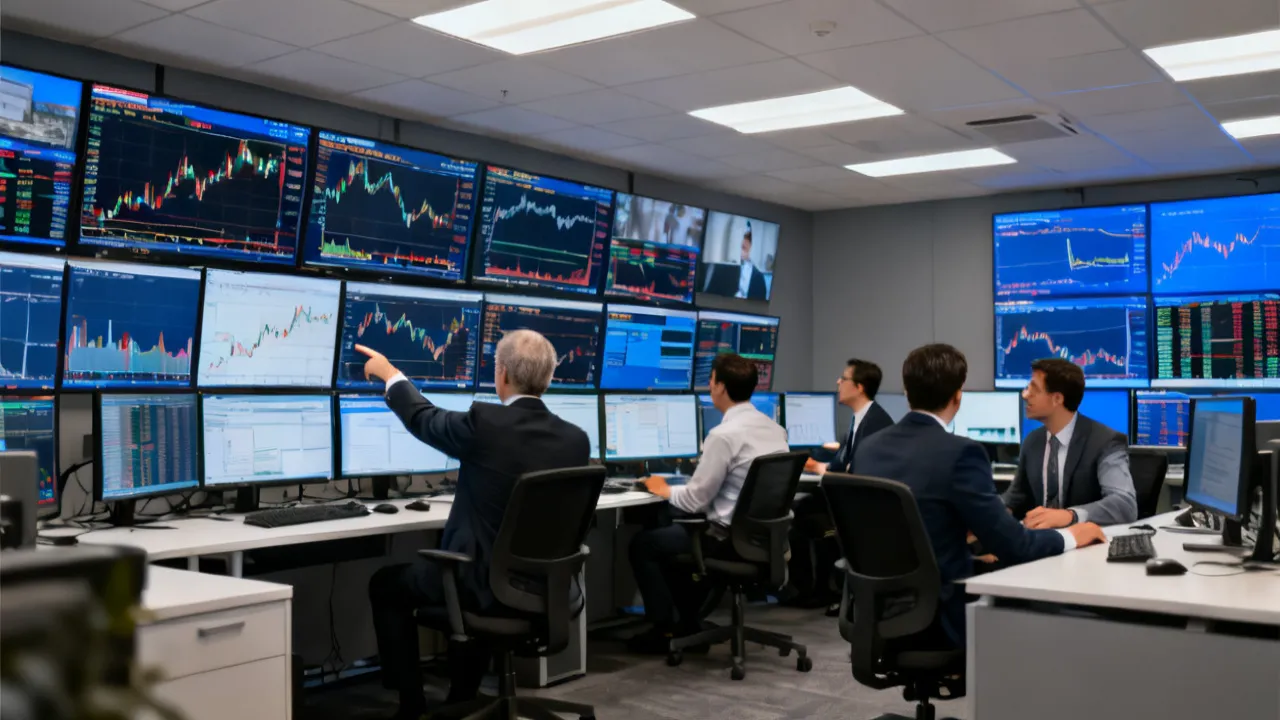
Exploring the Commodity Market
The commodity market plays an integral role in the global economy by providing a platform for the trading of raw materials. These include energy products like crude oil and natural gas, metals such as gold and silver, and agricultural products ranging from wheat to coffee. Commodities are unique as they serve as building blocks for more complex goods and services. Their value is driven not just by supply and demand but by geopolitical factors, weather conditions, economic policies, and even technological advancements.
Market Structure and Trading Venues
Commodity trading takes place on various exchanges around the world, designed to facilitate this vital trade. Major exchanges include the New York Mercantile Exchange (NYMEX), home to some of the world's largest oil and gas contracts, and the London Metal Exchange (LME), which specializes in metallic commodities. Additionally, the Chicago Board of Trade (CBOT) and the Intercontinental Exchange (ICE) play significant roles in trading agricultural commodities and energy products. Each of these exchanges has its own set of rules, trading hours, and listed commodities, providing diverse opportunities for traders globally.
Supply and Demand Factors
At the heart of commodity trading is the principle of supply and demand. For instance, poor weather can significantly impact crop yields, thereby affecting the supply of agricultural commodities. Similarly, geopolitical tensions may influence the supply of crude oil, as political stability in oil-producing regions is paramount for consistent production levels. A case study highlighting this would be the 2011 Arab Spring, where unrest in major oil-producing countries like Libya and Egypt led to severe supply disruptions and consequently skyrocketed oil prices.
Moreover, industrial activity and global consumption trends are significant in shaping demand. For example, the rise of electric vehicles has increased demand for lithium and cobalt, while decreased interest in coal mining represents a shift in energy demand. Analysts keep a keen eye on global economic indicators such as the Manufacturing Purchasing Index (PMI), which can signal a rising or falling demand for various commodities based on industrial activity.
Commodity Trading Mechanisms
Commodity trading occurs on exchanges like the New York Mercantile Exchange (NYMEX) and the London Metal Exchange (LME). These platforms enable the buying and selling of commodity futures, which are contracts agreeing to buy or sell a specific commodity at a predetermined price at a future date. This method allows consumers and producers to hedge against potential price volatility, thereby stabilizing businesses against unforeseen market swings.
Types of Commodities
There are four primary categories of commodities traded in the marketplace: hard commodities, soft commodities, metals, and energy resources.
- Hard Commodities: These include natural resources that are mined or extracted. Examples include metals like gold, silver, copper, and aluminum.
- Soft Commodities: These are agricultural goods or livestock, including products like wheat, corn, coffee, sugar, and cattle.
- Energy Commodities: This category encompasses crude oil, natural gas, and coal, which are essential for manufacturing and transportation.
- Precious Metals: This includes commodities like gold and silver, often sought after by investors as a hedge against inflation and currency fluctuations.
Investment Strategies for Commodity Traders
Investors approach the commodity market with various strategies, ranging from speculative trading to good investments in commodity indices. Speculators seek to profit from short-term price movements, with traders often timing their entries and exits based on market sentiment and technical analysis indicators. On the other hand, some investors view commodities as a hedge against inflation or currency risk; for example, during an economic downturn, many turn to gold as a safe haven asset.
Leveraging and margin requirements are critical components of trading strategies in the commodities market. By using leverage, traders can control larger positions with less capital, amplifying both potential returns and risks. Understanding the concept of margin—the minimum amount a trader needs to maintain their position—can significantly affect trading outcomes. For instance, sufficient margin levels prevent margin calls, which require traders to add funds to their accounts to sustain their positions.
Technical and Fundamental Analysis
Effective trading in the commodity market often relies on both technical and fundamental analysis. Fundamental analysis involves evaluating the intrinsic value of commodities based on supply and demand factors, geopolitical events, weather patterns, and economic indicators. On the other hand, technical analysis focuses on price trends and historical data, using charts and price action to predict future movements. Common indicators include moving averages, relative strength index (RSI), and bollinger bands.
Many traders deploy a combination of both analyses, balancing short-term market sentiment with long-term fundamental trends. For instance, while a trader may notice that technical indicators suggest bullish momentum, they should also be aware of upcoming reports predicting increased agricultural production, which could impact prices in the opposite direction.
Risk Management in Commodity Trading
Due to the volatile nature of commodity prices, it is crucial for traders to have effective risk management strategies in place. These strategies may include setting stop-loss orders, which automatically close a position at a predetermined price to limit losses. Additionally, diversifying a commodity portfolio across multiple asset classes can mitigate the risks associated with price fluctuations in any single commodity.
Another approach to risk management is position sizing, which involves determining the appropriate amount of capital to allocate to a specific trade based on the overall size of the trading account and the risk tolerance of the trader. This practice can help traders avoid catastrophic losses from any single position while allowing them to remain engaged in the market.
Regulations in Commodity Trading
Commodity markets are subject to rigorous regulatory oversight to ensure fair trading practices and protect investors from fraud. In the United States, organizations such as the Commodity Futures Trading Commission (CFTC) and the National Futures Association (NFA) play critical roles in establishing rules and regulations for futures and options trading. Understanding these regulations is vital for traders, as non-compliance can lead to severe penalties and losses.
Moreover, regulations are consistently evolving in response to market changes and technological advancements. For example, the introduction of cryptocurrencies has influenced regulatory discussions in commodity trading. As the market adapts, traders must remain informed about ongoing changes to ensure their practices comply with updated legal structures.
FAQs on Commodity Trading
| Question | Answer |
|---|---|
| What is a commodity? | A commodity is a basic good used in commerce. It is interchangeable with other goods of the same type, such as metals, energy sources, and agricultural products. |
| How does geopolitical tension affect commodities? | Geopolitical tensions can disrupt supply chains, especially for energy products like oil, leading to price volatility in the markets. An example being regional conflicts that affect crude oil supply from the Middle East. |
| What is a futures contract in commodities? | A futures contract is a legal agreement to buy or sell a particular commodity asset at a predetermined price at a specified time in the future, allowing traders to hedge against price fluctuations. |
| What role do weather conditions play in commodity prices? | Weather conditions can greatly impact agricultural production levels, thus directly affecting the supply of related commodities, which can lead to increased prices during droughts or unfavorable growing seasons. |
| How can investors hedge against commodity price volatility? | Investors can hedge against volatility by using futures contracts to lock in prices, thus protecting their portfolios from unexpected market shifts. |
| What is the significance of commodities in a portfolio? | Commodities can provide diversification benefits, protection against inflation, and a hedge against economic uncertainty, offering potential returns that may not correlate with traditional stocks or bonds. |
Influence of Technology on Commodity Trading
As the financial landscape continues to evolve, technology exerts an incredible influence on commodity trading. Electronic trading platforms and algorithmic trading systems have revolutionized access to the markets, enabling traders to execute orders faster and more efficiently than ever before. With the rise of mobile trading applications, individuals can now participate in commodity trading from virtually anywhere, enhancing market liquidity and speculation.
Furthermore, the adoption of machine learning and big data analytics is aiding traders in making more informed decisions. For instance, predictive analytics can analyze vast datasets, including historical price movements, market news, and even social media sentiment, allowing traders to identify potential trends and anomalies. By leveraging these technologies, traders can achieve a competitive edge in the fast-paced commodity market.
Global Commodity Market Trends
Examining the trends in the global commodity market can offer valuable insights into broader economic indicators. With increasing globalization, commodities have become intertwined in an international web of trade. A notable trend is the increasing demand for sustainable commodities driven by consumer preferences and regulatory pressures toward eco-friendly practices. Products like organic fruits and vegetables, sustainably sourced palm oil, and eco-friendly materials are becoming more popular, affecting both agricultural production methods and pricing strategies.
Moreover, the introduction of green technologies is reshaping demand dynamics. For instance, the push for renewable energy has heightened interest and investment in commodities essential for battery production, such as lithium, nickel, and cobalt. The energy transition towards sustainable practices is expected to not only affect prices but also impact the geopolitical landscape as countries vie for access to these critical resources.
Future of Commodity Trading
The future of commodity trading appears poised for profound changes. With increasing emphasis on sustainability and technological integration, traders must adapt to a rapidly evolving market landscape. As ESG (Environmental, Social, and Governance) factors gain traction, commodities that align with these values will garner attention, potentially influencing market ratios and pricing structures.
Additionally, the emergence of decentralized finance (DeFi) presents possibilities for commodity trading that bypass traditional financial systems. As blockchain technology matures, it may offer enhanced transparency, security, and efficiency in commodity trading transactions, yet presents a host of regulatory and operational challenges that will need careful consideration.
Conclusion
The commodity market is a dynamic and essential component of the global financial landscape. Understanding its complexities is crucial for leveraging opportunities and mitigating risks. Diving deeper into the various trading strategies, regulatory frameworks, and technological advancements can enhance the trading experience. As markets evolve, continuous learning and adaptation are necessary for any successful commodity trader, underscoring the importance of resilience in a shifting financial environment.
-
1

Maximizing Your Purchase: Ram 1500 Deals and Towing Capacity
-
2
Maximizing Benefits of Solar Panels: Costs and Energy Efficiency
-
3
Affordable Stair Lifts for Seniors: A Comprehensive Guide
-
4
The Ultimate Guide to Lab-Grown Diamonds: Ethical & Cost-Effective Choices
-
5
The Ultimate Guide to Weight Loss Injections, Metabolism, and Appetite Suppression