Understanding the Global Commodity Market
The global commodity market is a complex network of trade involving raw materials like crude oil, gold, and agricultural products. Commodities are often subject to volatile price changes, influenced by supply and demand, geopolitical factors, and economic trends. Understanding these dynamics is crucial for investors and businesses alike.
Introduction to the Commodity Market
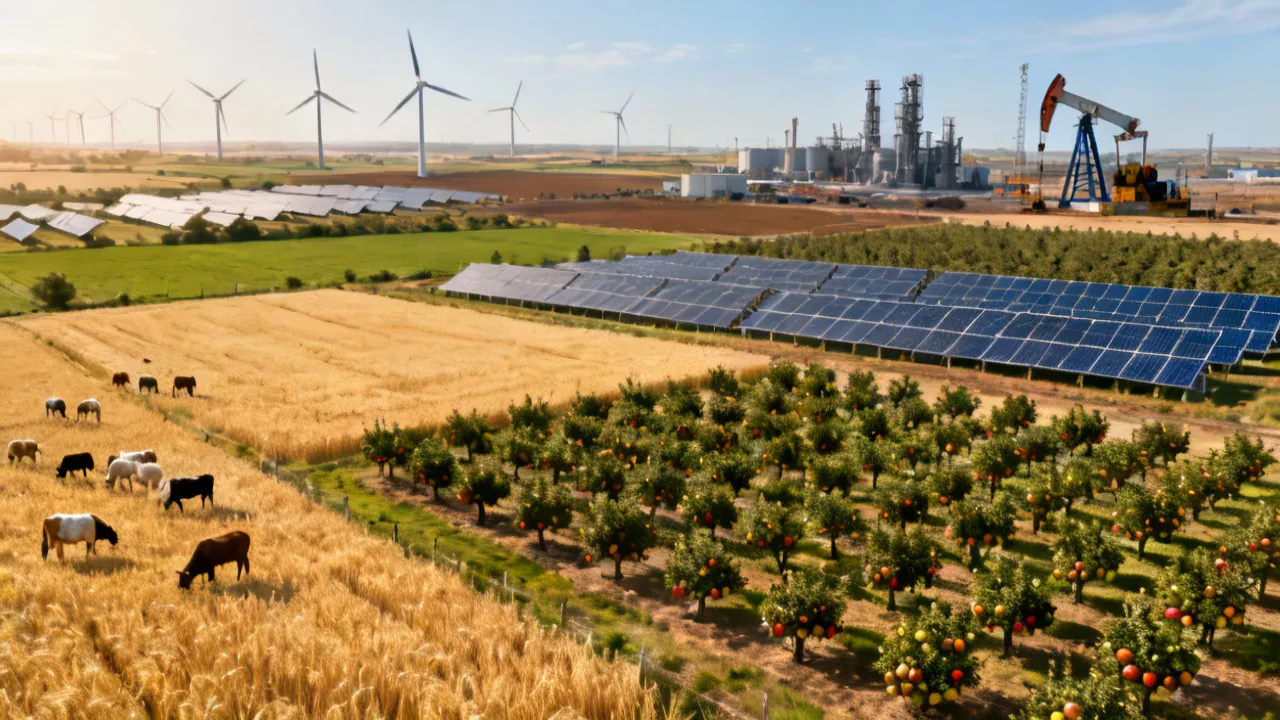
The commodity market is foundational to the global economy, facilitating the exchange and pricing of raw materials essential for industries worldwide. From metals and oil to grains and dairy, these fundamental goods are traded in vast quantities, impacting everything from pricing strategies to economic policies. As nations build their economic frameworks, the reliance on commodities proves critical, as these are the building blocks that drive production and consumption across various sectors. This interconnection makes the commodity market a vital component in the tapestry of global trade, influencing everything from inflation rates to currency valuations.
The Dynamics of Commodity Prices
Commodities are known for their price volatility, fluctuating based on supply and demand dynamics. External factors such as geopolitical events, natural disasters, and economic sanctions can significantly affect market stability. For instance, political unrest in an oil-producing region can drastically impact crude oil prices globally. Moreover, seasonal changes can lead to fluctuations in agricultural commodities, while sudden technological advancements can drastically alter the supply curve of natural resources. The interactions between various economic indicators and commodity prices represent a complex yet essential relationship that stakeholders must navigate.
The fluctuations in commodity prices can also be attributed to underlying economic cycles. For example, during periods of economic growth, demand for commodities typically increases, leading to higher prices. Conversely, during economic recessions, demand decreases, leading to falling prices. Thus, understanding these cycles is crucial for investors and businesses alike to anticipate market shifts and adjust their strategies accordingly.
Key Commodities and Their Global Impact
Some of the most essential commodities include:
- Crude Oil: A vital energy source influencing global transport and production costs. The price of crude oil has a ripple effect on multiple sectors, from the price of gasoline at the pump to the costs associated with logistics and manufacturing. High oil prices can stimulate inflation, impacting consumers and businesses alike. Additionally, shifts in oil prices can also lead to changes in policy for countries reliant on oil exports, significantly impacting their economic health.
- Gold: Often viewed as a safe-haven asset, gold is crucial for economic stability tracking. During uncertain times or economic downturns, investors tend to flock to gold, thus driving its price up. Gold also plays a significant role in jewelry production and electronics, reinforcing its importance in both investment and industrial sectors.
- Foodstuffs: Commodities like wheat, corn, and soy are staples in global food trade, significantly affecting food security issues worldwide. Changes in agricultural yield due to climate conditions or pest issues can severely affect global supply chains, leading to increased prices and potential food shortages in vulnerable regions.
- Copper: As an essential industrial metal, copper plays a critical role in electrical wiring and plumbing systems. Its price is often considered an economic indicator; higher prices typically signify robust industrial activity. Therefore, fluctuations in copper prices can reflect larger economic trends.
- Natural Gas: As an increasingly important energy source, natural gas prices are influenced by seasonal heating and cooling demands. The energy transition from coal to natural gas in many regions also showcases its growing significance in both domestic and global markets.
Major Commodity Providers
The commodity market relies heavily on key suppliers who dominate specific areas:
- Saudi Arabia: A leading producer of crude oil, influencing global energy prices. Its robust production capacity allows it to impact global oil prices significantly, often serving as a stabilizing factor in the fluctuating oil markets.
- Russia: A significant exporter of both energy and metals. With vast natural resources, Russia's geopolitical actions regarding its supply can heavily influence global markets.
- Brazil: Major on the agricultural front, with a huge export market for soybeans, sugar, and coffee. Brazil's agricultural productivity makes it a key player in food commodity markets.
- Australia: A leading producer of essential metals such as iron ore and gold, Australia’s exports are vital to meet global demand and support various industrial endeavors.
- Canada: A significant player in both agricultural and energy commodities, Canada is known for its vast oil sands and agricultural outputs, including canola and wheat.
Having these players in mind is critical for understanding fluctuations and predicting market trends. Changes in political stability, trade agreements, or environmental policies in these nations can lead to substantial shifts in commodity availability and pricing, directly affecting global markets.
Market Analysis by Industry Experts
Industry experts emphasize diversification as a strategy for reducing risks inherent in the volatile commodity markets. By spreading investments across a variety of commodities, investors can buffer against the drastic price shifts of any single commodity. Moreover, in-depth market analysis can provide insights into emerging trends, allowing for more informed decisions.
Experts also recommend keeping abreast of global economic indicators such as GDP growth rates, inflation, and unemployment levels. These variables significantly affect demand for various commodities and can serve as crucial forecasting tools. Additionally, technological advancements, especially in extraction and production methods, can also influence supply levels and consequently alter price dynamics.
As the market constantly evolves, it is crucial for investors to stay informed about potential market disruptors. For instance, drastic changes in consumer behavior, such as the shift towards renewable energy sources, can lead to decreased demand for oil and gas while simultaneously increasing demand for metals necessary for electric vehicle production.
| Commodity | Primary Producers | Key Uses | Market Trends |
|---|---|---|---|
| Crude Oil | Saudi Arabia, Russia, USA | Energy Production, Manufacturing, Transport | Shifts towards renewable energy sources and electric vehicles are reshaping future demand. |
| Gold | China, Australia, USA | Jewelry, Investment, Electronics | Fluctuations in economic stability and inflation rates lead to variability in gold prices. |
| Corn | USA, China, Brazil | Food Production, Biofuel, Animal Feed | Climatic changes and biofuel demand have increased interest and speculation in corn futures. |
| Copper | Chile, Peru, China | Construction, Electronics, Renewable Energy | The green technology boom is boosting demand for copper, leading to higher prices. |
| Natural Gas | USA, Russia, Qatar | Heating, Electricity Generation | Increased focus on energy independence in several countries is shaping the natural gas market. |
The Role of Futures and Options
Commodities are often traded via futures contracts, which specify the sale of a commodity at a predetermined price on a set future date. This allows producers and consumers to hedge against price volatility. Options provide additional strategies, offering the right but not the obligation to trade the commodity in the future. Futures and options play an integral role in risk management, allowing businesses to secure pricing ahead of time, thereby stabilizing their financial outlook.
For example, farmers often enter into futures contracts to lock in prices for their crops before the harvest season. By doing so, they shield themselves from the risk of price drops due to unforeseen circumstances such as a bumper harvest that could lead to oversupply. On the other hand, processors or manufacturers may also use futures to ensure they do not face a spike in commodity costs when supply constraints occur due to weather or geopolitical tensions.
In recent years, technological advancements have also revolutionized trading strategies within commodity markets. The proliferation of algorithmic trading, where computer algorithms execute trades based on predefined criteria, significantly speeds up trade executions and offers sophisticated risk management techniques. However, this also introduces new challenges in terms of market dynamics, as automated trading can exacerbate price volatility during times of stress.
FAQs
- What influences commodity prices? Many factors, including global demand, production levels, geopolitical events, and natural phenomena, can affect commodity prices. Fluctuating currencies, particularly the US dollar's strength, also dramatically impacts pricing, as most commodities are valued in USD.
- Why are commodities considered risky investments? Due to their susceptibility to sudden market changes, including environmental and political events, which can drive rapid price fluctuations. Furthermore, the inherent dependency on multiple external factors adds layers of unpredictability, making it essential for investors to continuously monitor various global indicators.
- How can investors mitigate risks in commodity trading? Diversification and the use of hedging instruments like futures and options are common strategies. Incorporating instruments such as exchange-traded funds (ETFs) that track commodity indices can also expose investors to a broader range of commodities and thus reduce concentration risk.
- What role does speculation play in commodity markets? Speculation can significantly affect commodity prices as speculators look to profit from price movements. While speculation can provide liquidity to the market, it can also lead to price distortions, particularly in volatile periods. Analysts stress the importance of distinguishing between speculative trading and genuine hedging activities.
- How do environmental changes impact commodity markets? Environmental changes, including climate change, can lead to fluctuations in supply due to extreme weather conditions impacting agricultural output. Additionally, discussions about sustainability can reshape the demand landscape for certain commodities, pushing industries towards greener alternatives.
Conclusion
The commodity market is a dynamic entity that requires careful analysis and strategic planning for anyone involved, from multinational corporations to individual investors. By understanding the complexities and underlying elements of this market, stakeholders can better navigate its potential rewards and inherent risks. As commodities continue to play a critical role in the evolving global economy, ongoing monitoring and adaptable strategies will remain essential for success. The intricate web of factors influencing commodity prices invites continuous study and vigilance, ensuring that participants stay informed and prepared for whatever changes may lie ahead.
In addition to careful analysis, it is essential for market participants to foster relationships within the industry. Information sharing, networking, and discussions of market trends can provide invaluable insights that contribute to making more informed decisions. Engaging in forums, attending industry seminars, and following key think tanks can further enhance one's understanding of the commodity landscape and its future directions.
Overall, the journey through the commodity market is fraught with challenges but also offers tremendous opportunities for growth and investment. As markets continuously evolve, those who stay informed, diversified, and flexible will not only survive but thrive amidst the fluctuations of this essential economic sector.
-
1

Maximizing Benefits of Solar Panels: Costs and Energy Efficiency
-
2
Maximizing Your Purchase: Ram 1500 Deals and Towing Capacity
-
3
Affordable Stair Lifts for Seniors: A Comprehensive Guide
-
4
The Ultimate Guide to Lab-Grown Diamonds: Ethical & Cost-Effective Choices
-
5
The Ultimate Guide to Weight Loss Injections, Metabolism, and Appetite Suppression