Navigating the Commodity Market Landscape
Commodities play a pivotal role in global economics, acting as integral raw materials and influencing trade dynamics. They range from agricultural products like wheat to metals such as gold. Their trading impacts various industries worldwide, driven by supply, demand, and economic policies. Understanding commodities is crucial for investors and businesses alike.
Understanding Commodities and Their Importance
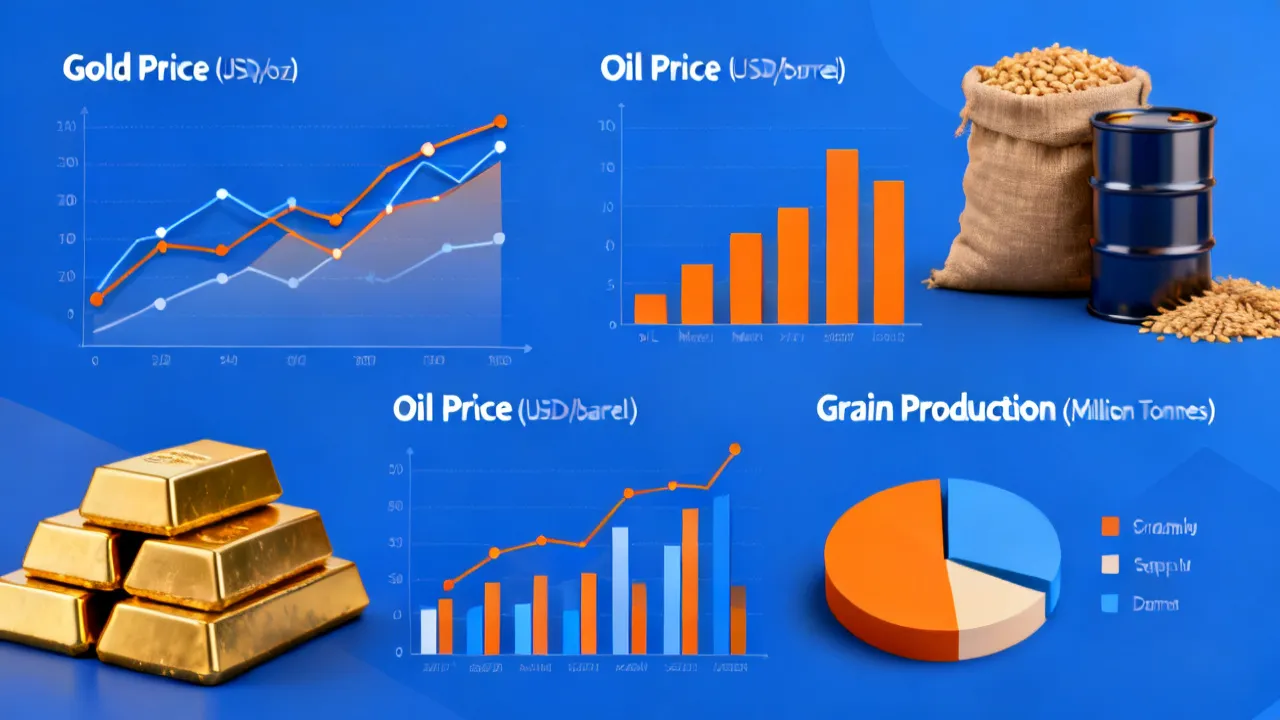
Commodities are foundational elements of the global economy, serving as essential inputs across numerous industries. These include agricultural goods, metals, and energy products that fuel manufacturing, construction, and technological advancements. Commodity markets are where these goods get traded, with prices heavily influenced by global supply and demand dynamics, geopolitical events, and macroeconomic policies. Additionally, commodities are crucial for everyday consumers, as their prices directly impact food costs, fuel prices, and the overall cost of living. Thus, understanding commodities goes beyond just the trading floor; it reflects broader economic realities.
The Dynamics of Commodity Trading
Trading commodities offers significant profit potential but comes with inherent risks. Commodity prices are notoriously volatile, responding sensitively to environmental factors, political instability, and market speculation. For instance, a drought in a major agricultural region can lead to a sharp increase in food commodity prices. Investors engage in commodity trading for diversification, hedging against inflation, and capitalizing on price trends. Various financial instruments, like futures, options, and exchange-traded funds (ETFs), provide pathways into this market. Futures contracts, for instance, allow investors to lock in prices for future delivery, providing a hedge against price fluctuations.
Major Commodity Sectors
Commodities are typically categorized into three main sectors:
- Energy: This includes crude oil, natural gas, and coal. Energy commodities are vital for global transportation, electricity generation, and industrial processes. The energy sector is particularly sensitive to geopolitical events; for example, tensions in oil-producing regions often drive up crude oil prices, affecting transportation and various industries.
- Metals: Precious metals like gold and silver serve as investment havens during economic uncertainty, while base metals such as copper and aluminum are crucial for manufacturing and construction. For example, copper is widely used in electrical wiring and plumbing, making its demand closely tied to construction and manufacturing cycles.
- Agricultural Products: This category encompasses grains like wheat and corn, livestock, and soft commodities like coffee and sugar. Weather patterns and seasonal changes significantly affect agricultural output, influencing the availability and prices of these commodities.
Factors Influencing Commodity Prices
Commodity prices are governed by a myriad of factors. Supply disruptions, technological advancements, weather patterns, and shifts in consumer demand play significant roles. For example, advancements in extraction technology can lead to increased supply, which may drive down prices. Geopolitical tensions can disrupt supply chains, influencing market stability and prices. Additionally, economic data releases and monetary policies from major economies can affect currency values, subsequently impacting commodity prices. Interest rates, for instance, can influence investor appetite toward commodities versus other assets, and a stronger dollar typically makes commodities more expensive for holders of other currencies, affecting global demand.
Commodity Suppliers and Global Trade
The global commodity supply chain involves a range of players, from miners and farmers to multinational trading companies and financial institutions. Major suppliers include countries with abundant natural resources like Saudi Arabia for oil, Brazil for coffee, and Australia for iron ore. These suppliers engage in international trade to balance global demand, with commodity exchanges such as NYMEX and LME facilitating transactions. The interconnectedness of global markets means that issues such as trade tariffs or sanctions can have far-reaching effects on commodity prices and availability. For example, sanctions on a major oil-producing nation can lead to supply shortages and price surges across the globe, underscoring the importance of geopolitics in commodity trading.
Commodity Investment Strategies
Investors adopt various strategies when venturing into the commodity markets. Diversification is key, spreading investments across different commodities to mitigate risk. Some investors utilize fundamental analysis, focusing on supply-demand forecasts and economic indicators. Others prefer technical analysis, using historical price patterns and charts to predict future movements. A robust risk management plan is crucial, considering the high volatility and leverage involved in many commodity trades. Some investors also engage in options trading, which allows them to speculate on future price movements while managing risk. Moreover, seasonal trends can offer insights; for instance, agricultural commodity prices may rise ahead of harvest seasons due to anticipated supply constraints.
Comparison of Commodity Trading Platforms
| Platform | Features |
|---|---|
| NYMEX | Offers trading in energy, metals, and agricultural commodities with a high liquidity environment. NYMEX is known for its crude oil and natural gas futures, which are benchmarks for the entire energy market. |
| LME | Specializes in non-ferrous metals trading, providing futures and options contracts. The LME's unique pricing system allows for transparent and efficient trading for industrial metals like aluminum and copper. |
| ICE | Facilitates trading in energy futures, clear and transparent pricing models. ICE offers a broad range of commodity products, including agricultural and energy contracts, catering to diverse investor needs. |
Challenges in Commodity Trading
Entering commodity markets comes with challenges including regulatory complexities, market manipulation vulnerabilities, and liquidity risks. Traders must navigate various regulations governing trading practices, which can differ significantly by region and commodity. Furthermore, the impact of environmental regulations and sustainability concerns is increasing, influencing supply patterns. For example, growing emphasis on sustainable farming can significantly alter agricultural commodity supplies, while regulations targeting greenhouse gas emissions can shift energy commodity dynamics. Additionally, the inherent volatility of commodities means that price swings can lead to substantial financial losses if positions are not carefully managed.
The Role of Technology in Commodity Trading
Technology is playing an increasingly vital role in commodity trading, reshaping how traders analyze markets, execute trades, and manage risks. Advanced algorithms and data analytics help investors process vast amounts of information, predicting price movements with greater accuracy. Electronic trading platforms have revolutionized the way commodities are bought and sold, offering speed and efficiency that traditional trading methods could not match. Moreover, technological advancements facilitate the development of trading strategies based on machine learning and artificial intelligence, allowing traders to test strategies on historical data before deploying them in real markets.
Global Economic Indicators and Commodity Markets
Commodities do not operate in a vacuum; they are closely tied to global economic indicators. Metrics such as GDP growth rates, unemployment figures, and inflation levels can provide insight into the health of economies, influencing commodity demand and prices. For example, strong GDP growth in emerging markets often leads to increased demand for metals and energy as industrial production ramps up. Conversely, during periods of economic contraction, demand for many commodities may dwindle, causing prices to fall. Investors closely monitor these indicators to make informed decisions, typically using economic calendars that highlight important data releases.
Global Trade Agreements and Their Impact on Commodities
Trade agreements play a crucial role in shaping commodity markets by affecting the flow of goods across borders. Trade policies, tariffs, and regulations imposed by countries can alter supply and demand balances, thereby impacting prices. For instance, a free trade agreement may lead to increased imports of certain agricultural products, putting downward pressure on domestic prices. Furthermore, geopolitical tensions that result in trade barriers can create supply shortages, driving prices higher. Investors and traders must remain informed about ongoing trade negotiations and outcomes, as these developments can create both opportunities and risks in the commodity markets.
Environmental Impact and Sustainability in Commodities
The growing focus on sustainability is reshaping the commodity landscape. There is an increasing awareness of the environmental impact of commodity production, leading to shifts in consumer preferences and regulatory actions. Commodities that are produced sustainably are becoming more attractive to investors and consumers alike. This trend is evident in sectors like coffee, where consumers are increasingly seeking out ethically sourced beans. Additionally, energy commodities are also feeling the pressure to transition towards clean energy sources, with a rising demand for renewable energy commodities like lithium, used in batteries for electric vehicles. By adopting sustainable practices, commodity producers can enhance their marketability and appeal in an environmentally conscious economy.
FAQs
- What makes commodity prices volatile? Prices can be affected by unpredictable elements such as natural disasters, geopolitical instability, and shifts in consumer demand, which can lead to rapid changes.
- How can one start investing in commodities? Potential investors can start by researching commodity markets, understanding trading instruments like futures and ETFs, and considering engagement through brokerage platforms. It’s advisable to educate oneself on the specific commodities of interest, as well as to develop an understanding of market cycles and trading strategies.
- Why are commodities considered a hedge against inflation? Commodities tend to appreciate in value when inflation rises, as their physical nature means they are less depreciated by currency fluctuations. For instance, during times of high inflation, the purchasing power of cash diminishes, but tangible assets like gold and oil often see price increases, preserving value.
- Are commodities suitable for good investment? While typically seen as a hedge and speculative investment, commodities can vary widely in their investment suitability based on market conditions. Some commodities like gold may hold good value due to their enduring market demand, while others may experience significant volatility that could pose risks for short-term investors.
- What role does speculation play in commodity markets? Speculation can significantly influence commodity prices as traders often buy and sell based on anticipated price movements rather than fundamental supply and demand dynamics. This can exacerbate price fluctuations and contribute to the inherent volatility associated with commodities.
- How do seasonal trends affect agricultural commodities? Agricultural commodities experience seasonal trends that can impact pricing. For example, planting and harvest seasons significantly influence supply levels, leading to price fluctuations based on anticipated crop yields and weather conditions.
- What are the risks associated with leverage in commodity trading? Leverage allows traders to control a larger position with a smaller amount of capital, which can amplify gains but also losses. High volatility in commodity markets means that a small adverse price movement can lead to substantial losses for leveraged positions, making risk management critical.
-
1

Maximizing Benefits of Solar Panels: Costs and Energy Efficiency
-
2
Maximizing Your Purchase: Ram 1500 Deals and Towing Capacity
-
3
Affordable Stair Lifts for Seniors: A Comprehensive Guide
-
4
The Ultimate Guide to Lab-Grown Diamonds: Ethical & Cost-Effective Choices
-
5
The Ultimate Guide to Weight Loss Injections, Metabolism, and Appetite Suppression