
Understanding the Bsc Enap Program
The Bachelor of Science in Environmental and Natural Resources Policy (Bsc Enap) program offers an interdisciplinary approach to studying the interaction between environmental science and policy. It provides students with the essential skills and knowledge to tackle complex environmental issues by integrating scientific, economic, and policy perspectives.
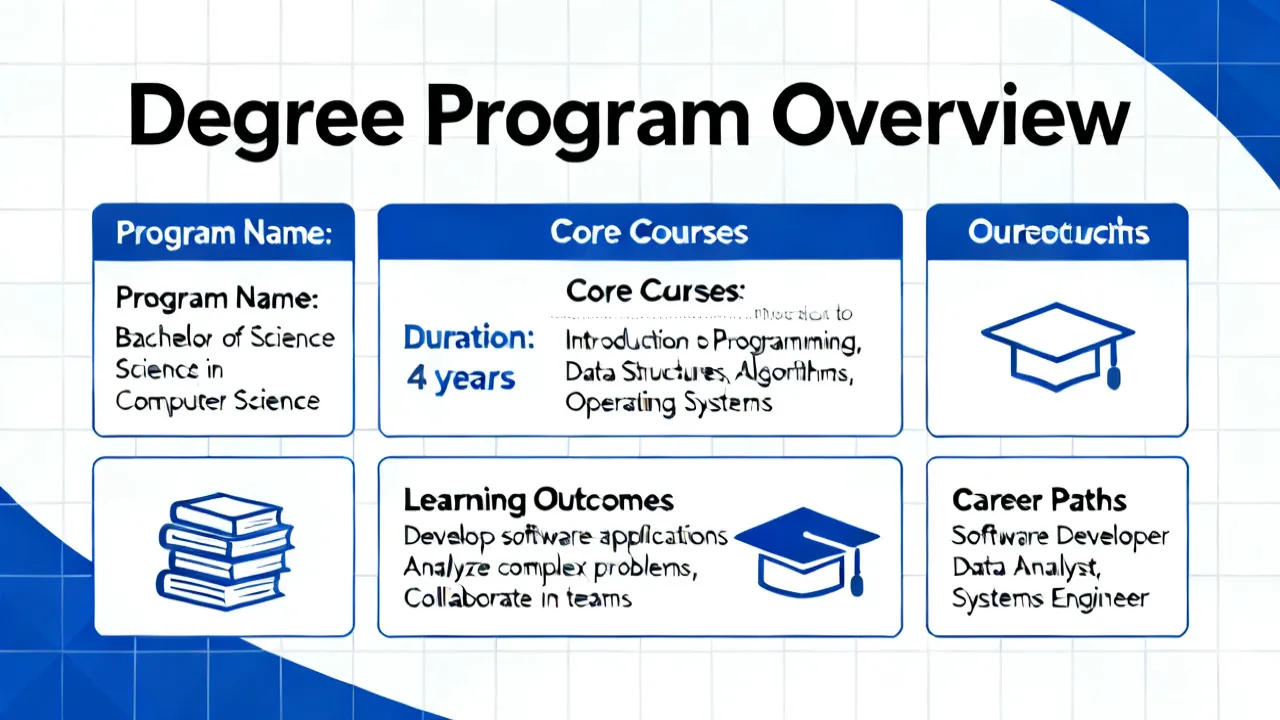
Introduction to Bsc Enap
The Bachelor of Science in Environmental and Natural Resources Policy (Bsc Enap) is an academically rigorous program designed for students passionate about addressing and solving environmental challenges. This program blends scientific inquiry with policy analysis, offering a comprehensive curriculum that prepares graduates to influence and bring about sustainable environmental practices. The pressing need for effective environmental stewardship in today's world makes a program like Bsc Enap crucial for producing adept professionals who can navigate both the scientific and political landscapes surrounding environmental issues.
The Significance of Combining Science and Policy
Environmental issues are multi-faceted, involving intricate relationships between ecosystems, economic systems, and social policies. The Bsc Enap program aims to equip students with a holistic understanding of these interconnections. By analyzing the science behind environmental processes and the policies that can regulate them, students gain the expertise needed to propose effective solutions to pressing environmental problems. They learn that successful environmental management requires a robust understanding of various scientific disciplines, including ecology, geology, and atmospheric science, combined with insights from public policy, economics, and law.
Core Curriculum and Learning Objectives
Students enrolled in the Bsc Enap program can expect a curriculum that includes foundational courses in environmental science, economics, and policy analysis. The interdisciplinary nature of the program ensures that students acquire the capability to:
- Understand key environmental systems and their functions, including how human activities impact these systems.
- Analyze and develop policies that foster sustainable resource management while addressing economic needs.
- Communicate effectively across different sectors to advocate for environmental change, emphasizing the importance of public engagement in policy-making processes.
Program Structure and Key Components
Typically, to fulfill the requirements of a Bsc Enap degree, students must complete a blend of core courses, electives, and capstone projects or internships. The program is usually structured over a four-year period. Each year is designed to build upon the previous year's learning, leading to a comprehensive understanding of both theoretical and practical aspects of environmental policy:
| Year | Focus |
|---|---|
| Year 1 | Introduction to environmental science and basic policy frameworks, focusing on the fundamentals of ecology and the principles of sustainability. |
| Year 2 | Intermediate courses, including environmental economics and policy analysis, enabling students to critically evaluate existing policies and propose modifications. |
| Year 3 | Advanced topics and specialized electives focusing on specific environmental issues, such as climate change, biodiversity loss, and renewable energy systems. |
| Year 4 | Capstone project or internship to apply theoretical knowledge in a practical setting, often culminating in a comprehensive project that addresses a real-world environmental challenge. |
Career Opportunities and Industry Outlook
Bsc Enap graduates are well-equipped to pursue diverse career paths in areas such as environmental consulting, policy advising, corporate sustainability, and governmental agencies. According to industry reports, the demand for professionals skilled in both environmental science and policy is steadily increasing due to the global push for sustainable development and climate action. A significant number of graduates may find themselves in roles that involve conducting environmental assessments, developing sustainability strategies for corporations, or formulating public policies that promote conservation and responsible resource use.
Additionally, the growing focus on climate resilience is reshaping job prospects in this field. Positions are increasingly being created in environmental NGOs, international organizations, and in governmental roles dedicated to combatting climate change. Opportunities to work in emerging fields such as ecological restoration, climate adaptation strategies, and environmental education are expanding as well, highlighting Bsc Enap graduates' versatility.
Skills Acquired During the Program
Throughout the Bsc Enap program, students develop a variety of skills that are essential for addressing environmental concerns effectively. Some of these skills include:
- Analytical skills: Graduates learn to assess environmental data critically, identify patterns, and make informed decisions based on quantitative and qualitative information.
- Research capabilities: Students gain experience in conducting field research, data collection, and analysis, which are fundamental for effective policy-making.
- Communication skills: Strong verbal and written communication skills are emphasized, enabling graduates to articulate complex environmental issues clearly to diverse audiences.
- Interdisciplinary approach: Students are taught to integrate knowledge from various disciplines, allowing them to view problems from multiple perspectives and devise holistic solutions.
- Leadership and teamwork: Many courses and projects encourage collaboration, preparing graduates to work effectively in teams and lead initiatives that require a united approach to problem-solving.
Internship and Practical Experience
One of the highlights of the Bsc Enap program is the emphasis on internships and hands-on learning experiences. These opportunities are invaluable for building connections within the industry, applying classroom knowledge in real-world contexts, and gaining insight into the day-to-day operations of environmental organizations. Internships may take place in various settings, including:
- Government agencies focused on environmental regulation and policy implementation.
- Non-profit organizations working to protect natural resources and advocate for policy changes.
- Consulting firms that provide environmental impact assessments and sustainability strategies for businesses.
- Research institutions engaged in groundbreaking studies related to environmental science and policy.
By participating in internships, students not only enhance their resumes but also enrich their educational experience, often leading to job offers upon graduation or fostering professional networks that can be beneficial for future job searches.
Global Perspectives on Environmental Policy
As the world grapples with environmental challenges that do not adhere to national borders—such as climate change, biodiversity loss, and pollution—the Bsc Enap program often incorporates global perspectives. Students examine international agreements, such as the Paris Agreement, and how domestic policies align or conflict with global efforts to tackle environmental issues. This aspect of the curriculum prepares graduates to operate in a globalized world where understanding international relations and cross-cultural negotiations become increasingly vital.
Furthermore, the program may offer opportunities for study abroad or participation in global conferences and workshops, wherein students can further their understanding of environmental issues from diverse cultural and political viewpoints. Such experiences are invaluable in cultivating a well-rounded understanding of environmental policy in a global context.
Networking and Professional Development
A significant feature of the Bsc Enap program is its commitment to networking and professional development. The program often includes seminars, workshops, and guest lectures from industry professionals and experts in environmental science and policy. These events are crucial for students to make connections within the field, learn about various career paths, and seek mentorship opportunities.
Professional associations related to environmental science and policy, such as the American Society of Ecologists or the National Association of Environmental Professionals, are also integral to the program. Membership in these organizations often provides students with access to exclusive resources, job boards, and industry events, enhancing their career readiness.
Moreover, alumni networks can serve as powerful tools for recent graduates. Engaging with alumni who have successfully navigated their careers can provide insights, job leads, and even collaborative opportunities for projects tackling environmental challenges.
Research Opportunities within the Program
The Bsc Enap program often encourages students to engage in research throughout their academic journey. Research opportunities may be available through faculty-led projects or independent study initiatives. Participating in research enables students to contribute to important discoveries in environmental science and policy while honing their research skills. Some areas of research that students might explore include:
- Climate Resilience: Investigating strategies for communities to adapt to the impacts of climate change, such as flooding, rising sea levels, and changing weather patterns.
- Conservation Biology: Studying the effectiveness of policies aimed at protecting endangered species and ecosystems, and the role of community engagement in conservation efforts.
- Renewable Energy Policy: Assessing the effectiveness of existing policies promoting clean energy sources and exploring innovative solutions to improve energy efficiency.
- Environmental Justice: Researching how environmental policies affect marginalized communities and proposing equitable solutions that address systemic disparities.
Through these research initiatives, students gain valuable experience that strengthens their analytical skills and contributes to their professional development, often resulting in publishable work or presentations at conferences.
Conclusion
The Bsc Enap program is an invaluable educational pathway for individuals driven to make a difference in the world by addressing environmental challenges through science and policy. Graduates are well-rounded individuals capable of developing innovative solutions and advocating for sustainable environmental practices in a variety of settings. With a strong emphasis on practical experience, research, and global perspectives, alumni of the program are well-prepared to tackle the complex challenges facing our planet today. By integrating knowledge from multiple disciplines and honing essential skills, Bsc Enap graduates emerge as leaders, ready to influence both national and global initiatives aimed at fostering a healthier, more sustainable environment for future generations.
-
1

Maximizing Benefits of Solar Panels: Costs and Energy Efficiency
-
2
Maximizing Your Purchase: Ram 1500 Deals and Towing Capacity
-
3
Affordable Stair Lifts for Seniors: A Comprehensive Guide
-
4
The Ultimate Guide to Lab-Grown Diamonds: Ethical & Cost-Effective Choices
-
5
The Ultimate Guide to Weight Loss Injections, Metabolism, and Appetite Suppression